Braunschweig
38 Braunschweig, Germany
Braunschweig | Attractions & City Map
Braunschweig is a city where history, waterways, city center, and modern navigation aids are closely interconnected. Those looking for attractions in Braunschweig, Braunschweig maps, or Braunschweig news usually want to quickly know where the most important places are located, how to reach them, and what makes the city special throughout the year. This is where Braunschweig showcases its strengths: The city center is compact, the distances are short, orientation is well solved through city maps, 3D models, pedestrian guidance systems, and app offerings, and with events, markets, and cultural highlights, the city is lively all year round. Additionally, its location in region 38 between Harz and Heide makes Braunschweig an exciting starting point for city visits and excursions. ([braunschweig.de](https://www.braunschweig.de/leben/stadtplan_verkehr/bus-und-bahn/index.php))
The search intentions around weather, Christmas market, cinema, Eintracht, basketball, or city map show primarily one thing: Braunschweig is not only perceived as an administrative or economic location but as a city to experience. That is why a structured look at history, orientation, mobility, and leisure is worthwhile. The following sections consolidate the most important facts from the official city pages and organize them in a way that visitors, new residents, and locals can quickly find the right information. ([braunschweig.de](https://www.braunschweig.de/digitalisierung-online-services/3D-Stadtmodell.php))
Braunschweig's Attractions: Castle Square, Cathedral, and Old Town
To understand Braunschweig, one almost automatically begins at Castle Square. There, the castle of the Brunones existed as early as the 9th century, and in the 12th century, Henry the Lion had the original castle Dankwarderode, the St. Blasii collegiate church, the present cathedral, and the castle lion ensemble built here. Castle Square has preserved its medieval layout to this day and is considered a significant cultural-historical ensemble. This is more than just a beautiful sight: Here, the founding of the city, the history of power, religion, and civil architecture converge in a single place that can be excellently explored on foot. ([braunschweig.de](https://www.braunschweig.de/tourismus/ihr-besuch-in-braunschweig/sehenswuerdigkeiten/burgplatz.php))
Among the most important stations are Castle Dankwarderode, the Cathedral of St. Blasii, the Vieweghaus, and the historic townhouses around the square. Castle Dankwarderode was the residence of Henry the Lion, the cathedral is the bishop's church of the Protestant-Lutheran Church in Braunschweig, and the neoclassical Vieweghaus today houses the Braunschweig State Museum. Those who want to get to know the city through its outstanding buildings will find the densest concentration of history and symbols here. For this reason, Castle Square is not only one of the most popular attractions in Braunschweig but also one of the places where the identity of the Lion City can be read most clearly. ([braunschweig.de](https://www.braunschweig.de/tourismus/ihr-besuch-in-braunschweig/sehenswuerdigkeiten/burgplatz.php))
The Old Town Hall and the Old Town Market are also strong search and visit magnets. The oldest substance of the Old Town Hall dates back to the 13th century, and in the ground floor and the historic cellar vaults, the Municipal Museum presents a permanent exhibition on the history of the city. Additionally, there are many paths leading from Castle Square to other historic neighborhoods, such as the Magniviertel or to further churches, museums, and squares. The official city page explicitly recommends the city center as an exploration area with short distances, and that is exactly what makes Braunschweig so pleasant for culture enthusiasts: Many highlights are close together and can be connected on foot. ([braunschweig.de](https://www.braunschweig.de/tourismus/ihr-besuch-in-braunschweig/sehenswuerdigkeiten/eintraege-sehenswuerdigkeiten/_altstadtrathaus.php?utm_source=openai))
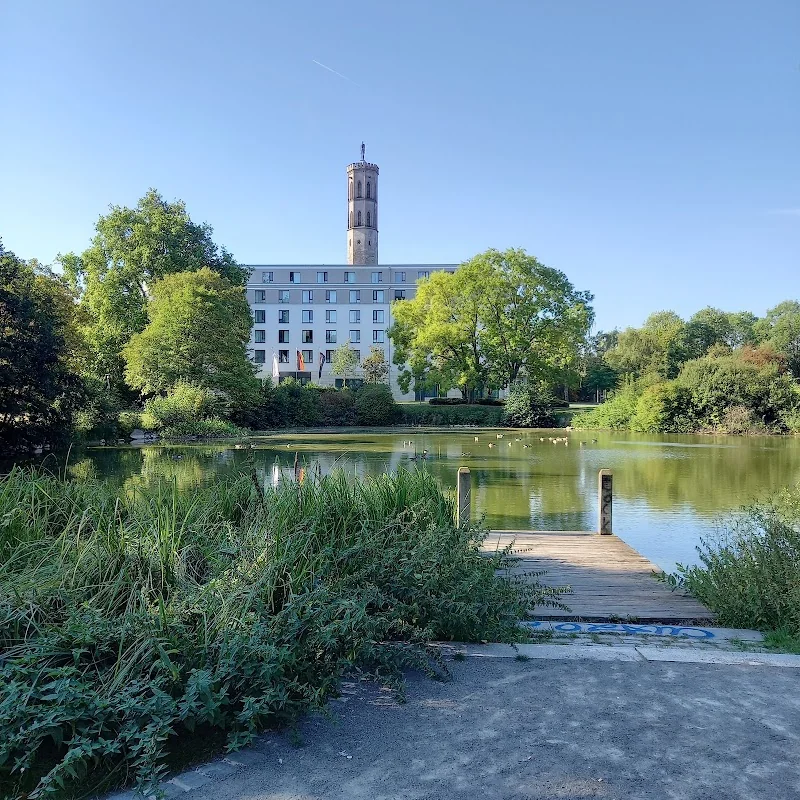
Particularly interesting is the connection between historic squares and green urban landscapes. The city itself points to green oases, parks, the Botanical Garden, lakes, and the nature reserve Riddagshausen. Additionally, the Oker, which shapes the city landscape, becomes noticeable in many places as a calm contrast to the densely built city center. Therefore, those searching for Braunschweig attractions are not only looking for individual buildings but for an interplay of culture, water, and urban life. This mixture makes the city attractive for day visitors and longer stays. ([braunschweig.de](https://www.braunschweig.de/sehenswuerdigkeiten?utm_source=openai))
Braunschweig Maps, City Map, and Orientation in the City Center
The topic of Braunschweig maps is particularly important for visitors because the city clusters many destinations in a short distance. The official city map of Braunschweig shows streets, built-up areas, forests, parks, bodies of water, allotments, green spaces, and agricultural areas in a generalized representation. Additionally, parking lots, parking garages, one-way streets, and stops are marked. For planning a visit to the city center, this is extremely helpful because one can already get an idea of paths, distances, and accessibility in advance. The city map covers Braunschweig and the surrounding municipalities, making it a practical tool for visitors as well as locals. ([braunschweig.de](https://www.braunschweig.de/leben/stadtplanung_bauen/geoinformationen/ogd_stadtplan.php))
For those who prefer a digital approach, the 3D city model can be used. The web application offers day and night views, field of vision analyses, drawing and measuring functions, oblique aerial images, and city map information. This is not only exciting for tech enthusiasts but also for anyone who wants to visually check a route or location. The city emphasizes that geoinformation forms the basis of many municipal tasks and provides citizens and businesses with a variety of spatial data. For practical use, this means: Braunschweig is significantly more modern in terms of digital orientation than many visitors would assume in advance. ([braunschweig.de](https://www.braunschweig.de/digitalisierung-online-services/3D-Stadtmodell.php))
Additionally, the pedestrian guidance system in the city center helps. It was installed in 2007, consists of 29 steles, and shows a detailed map of the surroundings on each stele as well as an overview map with attractions within the Oker flood. Among others, Castle Square, Cathedral, Town Hall, Municipal Museum, Duke Anton Ulrich Museum, State Theater, Tourist Information, and other important destinations are listed. Nearby parking lots and garages are also marked as possible starting points. For someone who wants to explore Braunschweig without detours, this is a real advantage because the route can be well planned on foot. ([braunschweig.de](https://www.braunschweig.de/leben/stadtplan_verkehr/fussverkehr/fussgaengerleitsystem.php))
Additionally, the city offers app solutions that combine navigation and leisure planning. The Löwenbündel app consolidates current news from Braunschweig and the world, a waste calendar, an event calendar, timetable information, and information on parking garage occupancy. The Mission Löwenstadt app makes the city center playfully experienceable and combines puzzles, quiz questions, and augmented reality. Especially for families, groups, and guests who want to turn Braunschweig maps into not just a map but an experience, such digital offerings are valuable. Thus, the simple search for an address quickly becomes a small city tour. ([braunschweig.de](https://www.braunschweig.de/digitalisierung-online-services/smart-city-braunschweig/staedtische-apps.php))
Access, Parking, and Public Transport in Braunschweig
Braunschweig is very well connected for travel. The city is located on the A 2 between Hanover in the west and Magdeburg in the east; via the West Tangent A 391 as a connecting piece between A 39 and A 2, one can reach the city center in just a few minutes. This highway connection makes Braunschweig easy to plan for day visitors, business travelers, and event attendees. Those arriving by car will find over 5,000 parking spaces in the public street space and in parking garages in the city center. According to the city, the parking spaces and garages are conveniently located, so the desired destination is quickly reachable on foot. ([braunschweig.de](https://www.braunschweig.de/innenstadt-parken))
For practical parking searches, digital parking is also part of Braunschweig. In all public parking areas with parking ticket requirements, the parking ticket can be paid and extended via mobile phone through several providers; the digital parking ticket is transmitted directly and can be viewed by traffic monitoring. Additionally, the city mentions an ongoing expanded charging network for electric cars as well as constant park-and-ride spaces connected to regular public transport. So, if you do not want to park directly in the center, you can switch to P+R and conveniently complete the rest by bus and train. This is especially a real plus during large events or in the Advent season. ([braunschweig.de](https://www.braunschweig.de/innenstadt-parken))
In public transport, Braunschweig is closely connected with the network area Region 38 between Harz and Heide. With one ticket, you can use buses, trams, and regional trains. The city also refers to the timetable information of Braunschweiger Verkehrs-GmbH. From the main train station, city rail lines 1, 2, and 10 pass by the castle and town hall, and line 5 leads to the castle and Friedrich-Wilhelm Street. During business hours, a city train runs every 5 to 7 minutes from the main train station to the city center and back. This makes the city very accessible even without a car. ([braunschweig.de](https://www.braunschweig.de/leben/stadtplan_verkehr/bus-und-bahn/index.php))
It is also practical that the city describes specific routes to individual destinations. For the Cistercian Monastery Church, it names bus 413 with a stop at Braunschweig Kreuzteich, for Schloss Richmond and onward travel towards Wolfenbüttel, the city rail lines 1 and 2 as well as bus 420. Such information shows how finely the network is tuned to destinations in and around Braunschweig. Therefore, those interested in Braunschweiger Verkehrs AG or the transport connections of the city center will find not only theoretical hints but concrete routes, stops, and timetable information. ([braunschweig.de](https://www.braunschweig.de/innenstadt-parken))
Events, Christmas Market, and Cultural Calendar
The topic of Braunschweig news and Braunschweig cinema often leads directly to events, culture, and current experiences. The city of Braunschweig operates an extensive event calendar that summarizes art, culture, sports, and city tours. This is important because visitors in Braunschweig are not just looking for a single event but usually want to quickly know what is happening on a given day or in the coming weeks. The official calendar is thus the central point of contact for people who want to create a concrete daily plan from a city visit. ([braunschweig.de](https://www.braunschweig.de/kultur/veranstaltungen/start.php))
A particularly strong seasonal theme is the Braunschweig Christmas Market. The city describes it as a market with over 500 years of tradition, taking place around the Cathedral of St. Blasii and Castle Dankwarderode. In the 2025 edition, 140 lovingly decorated market stalls were announced, along with a cultural and entertainment program for all age groups and winter city tours. This mixture of history, craftsmanship, culinary delights, and atmosphere makes the Christmas market one of the most visible occasions for which Braunschweig is sought and visited even beyond the region. ([braunschweig.de](https://www.braunschweig.de/politik_verwaltung/nachrichten/bsm/Weihnachtsmarkt.php))
It is also important for visitors that the Christmas market is well accessible by public transport. The city names the stops Rathaus, Schloss, and Münzstraße as connections and refers to the proximity to the central city squares. Additionally, the city offers the format View from the Town Hall Tower, where one can look over the city and the market from a height of 61 meters. Such details make it clear why Braunschweig weather and seasonal planning are often thought together: Many of the most beautiful experiences are outdoors or in direct connection between indoor and outdoor spaces. ([braunschweig.de](https://www.braunschweig.de/politik_verwaltung/nachrichten/bsm/Weihnachtsmarkt.php))
Other cultural formats are also firmly connected to the city. The Braunschweig International Film Festival showcases outstanding productions at the New International Cinema, the best from local production in the series New German Films, as well as an extensive free short film program. Additionally, the Braunschweig Cultural Night and other formats, according to the city, allow free access to participating venues. Therefore, those searching for Braunschweig cinema will find not only a classic cinema program but a whole cultural and festival landscape with regional and international appeal. ([braunschweig.de](https://www.braunschweig.de/kultur/musik/filmfest.php?utm_source=openai))
Population, Hanseatic League, and History of the Lion City
A central theme in Braunschweig is the population number. According to official statistics, the city had a total of 254,469 inhabitants as of December 31, 2025. The statistics page also refers to the Statistical Yearbook of Braunschweig in statistics and further evaluations of districts and population figures. For SEO and user orientation, this number is important because search queries like Braunschweig population usually expect exactly this compact classification. Thus, Braunschweig is a large but still well-manageable city with numerous districts that can be clearly represented in the statistical districts and maps. ([braunschweig.de](https://www.braunschweig.de/politik_verwaltung/statistik/ez_statistische_bezirke.html))
Historically, Braunschweig belongs to the German cities with particularly dense records. The official Hanseatic page describes Braunschweig as a city with a long Hanseatic history that is still alive in memory and cityscape today. In the Middle Ages and early modern times, Braunschweig, with about 20,000 inhabitants, was one of the largest cities in Northern Germany. Because the city was located at the intersection of major long-distance trade routes, it was an important trade and commerce center. Particularly Henry the Lion and Emperor Otto IV promoted the development of Braunschweig into a city of supra-regional significance. This historical combination of power, trade, and urban development explains why Braunschweig is still perceived as the Lion City today. ([braunschweig.de](https://www.braunschweig.de/hansestadt))
Visible symbols are also part of the history. The Castle Lion, Castle Dankwarderode, the Cathedral, and the historic square spaces around Castle Square make the city's history directly experienceable in the center. The city describes the Castle Lion as the landmark of Henry the Lion and as the first monumental free figure of the Middle Ages of high art historical significance. In the cityscape, this historical core is complemented by squares, churches, museums, and the Old Town Hall, so that Braunschweig not only tells history but makes it spatially comprehensible. For this reason, the city is interesting for people who want to experience attractions not in isolation but in historical context. ([braunschweig.de](https://www.braunschweig.de/leben/stadtportraet/geschichte/kemenatenausstellung/eg02.php?utm_source=openai))
Another important aspect is the Hanseatic identity. Braunschweig was a founding member of the Hanseatic League, participated in Hanseatic days, and became the suburb of the Saxon quarter of the Hanseatic League in 1494. The official city page also emphasizes the UNESCO recognition of the Braunschweig Hanseatic document as part of the World Documentary Heritage. For visitors, this is more than just a historical footnote: It explains why the city still possesses a strong mix of trade tradition, urban self-confidence, and cultural visibility. Therefore, those searching for Braunschweig news or Braunschweig federal state often encounter a city that positions itself very clearly historically and organizationally. ([braunschweig.de](https://www.braunschweig.de/hansestadt))
Modern city perception also includes digital and communicative offerings. The city marketing GmbH informs through social media channels, city films, blogs, and tourist content, while the city itself offers apps, maps, and the 3D model. This way, the historical city is not presented as a museum but as a living entity. This connection between tradition and digital accessibility is one of the reasons why Braunschweig remains attractive for both locals and guests today. ([braunschweig.de](https://www.braunschweig.de/online?utm_source=openai))
Eintracht Braunschweig, Basketball, and Leisure on Site
When it comes to Braunschweig FC or Braunschweig Eintracht, it usually refers to Eintracht Braunschweig, the traditional football club of the city. The official pages of the club refer to the EINTRACHT-STADION, a fan shop at the stadium, and another fan shop in the city center. The stadium is also an official wedding venue of the registry office, which shows how closely sports and city life are intertwined in Braunschweig. For many people, the club is therefore not just a football topic but a part of the city's identity. ([braunschweig.de](https://www.braunschweig.de/politik_verwaltung/fb_institutionen/fachbereiche_referate/fb32/fb32_6/termine_eintracht-stadion.php?utm_source=openai))
Basketball is also firmly part of the Braunschweig sports scene. The Basketball Lions Braunschweig play their home games in the Volkswagen Halle; on the official game day page, the club points out that travel by buses and trains of the Braunschweiger Verkehrs-GmbH is possible. The Lions provide ticket information, day box office, online sales, and a clear connection with the city's infrastructure. This is particularly relevant for search queries like Braunschweig basketball or Braunschweig news because sports events in Braunschweig are not isolated but embedded in the city's event calendar, the hall, and public transport. ([basketball-loewen.de](https://www.basketball-loewen.de/dritter-doppelspieltag-loewen-und-lionpride-kaempfen-um-wichtige-punkte/?utm_source=openai))
Leisure activities beyond top-level sports are also strongly connected to the Oker and the inner-city parks in Braunschweig. The city describes public rafting trips from May to October, paddling, rowing, stand-up paddling, and pedal boating as opportunities to experience the Lion City from the water. Additionally, there are gastronomic offerings along the shore, giving Braunschweig a special lightness in summer. Those searching for Braunschweig weather often look for such combinations of outdoor activity, pleasant temperatures, and short distances between water, city center, and green spaces. ([braunschweig.de](https://www.braunschweig.de/okerstadt))
For families, visitors, and people who are newly orienting themselves in the city, practical service offerings are also important. The Löwenbündel app provides current news, timetable information, calendars, and parking garage occupancy; the Mission Löwenstadt makes the city center playfully experienceable; the city map and the pedestrian guidance system help in finding destinations like town halls, museums, theaters, and tourist info. Braunschweig clearly shows that leisure, orientation, and information in a city do not have to be thought of separately. This makes the Lion City so pleasantly usable in everyday life. ([braunschweig.de](https://www.braunschweig.de/digitalisierung-online-services/smart-city-braunschweig/staedtische-apps.php))
Sources:
- City of Braunschweig - Around the Cathedral and Castle Square
- City of Braunschweig - Parking and Accessibility
- City of Braunschweig - Bus and Train
- City of Braunschweig - Events and Calendar
- City of Braunschweig - Population by Statistical Districts
- City of Braunschweig - 3D City Model
- City of Braunschweig - Braunschweig Christmas Market
Mehr anzeigenWeniger anzeigen
Braunschweig | Attractions & City Map
Braunschweig is a city where history, waterways, city center, and modern navigation aids are closely interconnected. Those looking for attractions in Braunschweig, Braunschweig maps, or Braunschweig news usually want to quickly know where the most important places are located, how to reach them, and what makes the city special throughout the year. This is where Braunschweig showcases its strengths: The city center is compact, the distances are short, orientation is well solved through city maps, 3D models, pedestrian guidance systems, and app offerings, and with events, markets, and cultural highlights, the city is lively all year round. Additionally, its location in region 38 between Harz and Heide makes Braunschweig an exciting starting point for city visits and excursions. ([braunschweig.de](https://www.braunschweig.de/leben/stadtplan_verkehr/bus-und-bahn/index.php))
The search intentions around weather, Christmas market, cinema, Eintracht, basketball, or city map show primarily one thing: Braunschweig is not only perceived as an administrative or economic location but as a city to experience. That is why a structured look at history, orientation, mobility, and leisure is worthwhile. The following sections consolidate the most important facts from the official city pages and organize them in a way that visitors, new residents, and locals can quickly find the right information. ([braunschweig.de](https://www.braunschweig.de/digitalisierung-online-services/3D-Stadtmodell.php))
Braunschweig's Attractions: Castle Square, Cathedral, and Old Town
To understand Braunschweig, one almost automatically begins at Castle Square. There, the castle of the Brunones existed as early as the 9th century, and in the 12th century, Henry the Lion had the original castle Dankwarderode, the St. Blasii collegiate church, the present cathedral, and the castle lion ensemble built here. Castle Square has preserved its medieval layout to this day and is considered a significant cultural-historical ensemble. This is more than just a beautiful sight: Here, the founding of the city, the history of power, religion, and civil architecture converge in a single place that can be excellently explored on foot. ([braunschweig.de](https://www.braunschweig.de/tourismus/ihr-besuch-in-braunschweig/sehenswuerdigkeiten/burgplatz.php))
Among the most important stations are Castle Dankwarderode, the Cathedral of St. Blasii, the Vieweghaus, and the historic townhouses around the square. Castle Dankwarderode was the residence of Henry the Lion, the cathedral is the bishop's church of the Protestant-Lutheran Church in Braunschweig, and the neoclassical Vieweghaus today houses the Braunschweig State Museum. Those who want to get to know the city through its outstanding buildings will find the densest concentration of history and symbols here. For this reason, Castle Square is not only one of the most popular attractions in Braunschweig but also one of the places where the identity of the Lion City can be read most clearly. ([braunschweig.de](https://www.braunschweig.de/tourismus/ihr-besuch-in-braunschweig/sehenswuerdigkeiten/burgplatz.php))
The Old Town Hall and the Old Town Market are also strong search and visit magnets. The oldest substance of the Old Town Hall dates back to the 13th century, and in the ground floor and the historic cellar vaults, the Municipal Museum presents a permanent exhibition on the history of the city. Additionally, there are many paths leading from Castle Square to other historic neighborhoods, such as the Magniviertel or to further churches, museums, and squares. The official city page explicitly recommends the city center as an exploration area with short distances, and that is exactly what makes Braunschweig so pleasant for culture enthusiasts: Many highlights are close together and can be connected on foot. ([braunschweig.de](https://www.braunschweig.de/tourismus/ihr-besuch-in-braunschweig/sehenswuerdigkeiten/eintraege-sehenswuerdigkeiten/_altstadtrathaus.php?utm_source=openai))
Particularly interesting is the connection between historic squares and green urban landscapes. The city itself points to green oases, parks, the Botanical Garden, lakes, and the nature reserve Riddagshausen. Additionally, the Oker, which shapes the city landscape, becomes noticeable in many places as a calm contrast to the densely built city center. Therefore, those searching for Braunschweig attractions are not only looking for individual buildings but for an interplay of culture, water, and urban life. This mixture makes the city attractive for day visitors and longer stays. ([braunschweig.de](https://www.braunschweig.de/sehenswuerdigkeiten?utm_source=openai))
Braunschweig Maps, City Map, and Orientation in the City Center
The topic of Braunschweig maps is particularly important for visitors because the city clusters many destinations in a short distance. The official city map of Braunschweig shows streets, built-up areas, forests, parks, bodies of water, allotments, green spaces, and agricultural areas in a generalized representation. Additionally, parking lots, parking garages, one-way streets, and stops are marked. For planning a visit to the city center, this is extremely helpful because one can already get an idea of paths, distances, and accessibility in advance. The city map covers Braunschweig and the surrounding municipalities, making it a practical tool for visitors as well as locals. ([braunschweig.de](https://www.braunschweig.de/leben/stadtplanung_bauen/geoinformationen/ogd_stadtplan.php))
For those who prefer a digital approach, the 3D city model can be used. The web application offers day and night views, field of vision analyses, drawing and measuring functions, oblique aerial images, and city map information. This is not only exciting for tech enthusiasts but also for anyone who wants to visually check a route or location. The city emphasizes that geoinformation forms the basis of many municipal tasks and provides citizens and businesses with a variety of spatial data. For practical use, this means: Braunschweig is significantly more modern in terms of digital orientation than many visitors would assume in advance. ([braunschweig.de](https://www.braunschweig.de/digitalisierung-online-services/3D-Stadtmodell.php))
Additionally, the pedestrian guidance system in the city center helps. It was installed in 2007, consists of 29 steles, and shows a detailed map of the surroundings on each stele as well as an overview map with attractions within the Oker flood. Among others, Castle Square, Cathedral, Town Hall, Municipal Museum, Duke Anton Ulrich Museum, State Theater, Tourist Information, and other important destinations are listed. Nearby parking lots and garages are also marked as possible starting points. For someone who wants to explore Braunschweig without detours, this is a real advantage because the route can be well planned on foot. ([braunschweig.de](https://www.braunschweig.de/leben/stadtplan_verkehr/fussverkehr/fussgaengerleitsystem.php))
Additionally, the city offers app solutions that combine navigation and leisure planning. The Löwenbündel app consolidates current news from Braunschweig and the world, a waste calendar, an event calendar, timetable information, and information on parking garage occupancy. The Mission Löwenstadt app makes the city center playfully experienceable and combines puzzles, quiz questions, and augmented reality. Especially for families, groups, and guests who want to turn Braunschweig maps into not just a map but an experience, such digital offerings are valuable. Thus, the simple search for an address quickly becomes a small city tour. ([braunschweig.de](https://www.braunschweig.de/digitalisierung-online-services/smart-city-braunschweig/staedtische-apps.php))
Access, Parking, and Public Transport in Braunschweig
Braunschweig is very well connected for travel. The city is located on the A 2 between Hanover in the west and Magdeburg in the east; via the West Tangent A 391 as a connecting piece between A 39 and A 2, one can reach the city center in just a few minutes. This highway connection makes Braunschweig easy to plan for day visitors, business travelers, and event attendees. Those arriving by car will find over 5,000 parking spaces in the public street space and in parking garages in the city center. According to the city, the parking spaces and garages are conveniently located, so the desired destination is quickly reachable on foot. ([braunschweig.de](https://www.braunschweig.de/innenstadt-parken))
For practical parking searches, digital parking is also part of Braunschweig. In all public parking areas with parking ticket requirements, the parking ticket can be paid and extended via mobile phone through several providers; the digital parking ticket is transmitted directly and can be viewed by traffic monitoring. Additionally, the city mentions an ongoing expanded charging network for electric cars as well as constant park-and-ride spaces connected to regular public transport. So, if you do not want to park directly in the center, you can switch to P+R and conveniently complete the rest by bus and train. This is especially a real plus during large events or in the Advent season. ([braunschweig.de](https://www.braunschweig.de/innenstadt-parken))
In public transport, Braunschweig is closely connected with the network area Region 38 between Harz and Heide. With one ticket, you can use buses, trams, and regional trains. The city also refers to the timetable information of Braunschweiger Verkehrs-GmbH. From the main train station, city rail lines 1, 2, and 10 pass by the castle and town hall, and line 5 leads to the castle and Friedrich-Wilhelm Street. During business hours, a city train runs every 5 to 7 minutes from the main train station to the city center and back. This makes the city very accessible even without a car. ([braunschweig.de](https://www.braunschweig.de/leben/stadtplan_verkehr/bus-und-bahn/index.php))
It is also practical that the city describes specific routes to individual destinations. For the Cistercian Monastery Church, it names bus 413 with a stop at Braunschweig Kreuzteich, for Schloss Richmond and onward travel towards Wolfenbüttel, the city rail lines 1 and 2 as well as bus 420. Such information shows how finely the network is tuned to destinations in and around Braunschweig. Therefore, those interested in Braunschweiger Verkehrs AG or the transport connections of the city center will find not only theoretical hints but concrete routes, stops, and timetable information. ([braunschweig.de](https://www.braunschweig.de/innenstadt-parken))
Events, Christmas Market, and Cultural Calendar
The topic of Braunschweig news and Braunschweig cinema often leads directly to events, culture, and current experiences. The city of Braunschweig operates an extensive event calendar that summarizes art, culture, sports, and city tours. This is important because visitors in Braunschweig are not just looking for a single event but usually want to quickly know what is happening on a given day or in the coming weeks. The official calendar is thus the central point of contact for people who want to create a concrete daily plan from a city visit. ([braunschweig.de](https://www.braunschweig.de/kultur/veranstaltungen/start.php))
A particularly strong seasonal theme is the Braunschweig Christmas Market. The city describes it as a market with over 500 years of tradition, taking place around the Cathedral of St. Blasii and Castle Dankwarderode. In the 2025 edition, 140 lovingly decorated market stalls were announced, along with a cultural and entertainment program for all age groups and winter city tours. This mixture of history, craftsmanship, culinary delights, and atmosphere makes the Christmas market one of the most visible occasions for which Braunschweig is sought and visited even beyond the region. ([braunschweig.de](https://www.braunschweig.de/politik_verwaltung/nachrichten/bsm/Weihnachtsmarkt.php))
It is also important for visitors that the Christmas market is well accessible by public transport. The city names the stops Rathaus, Schloss, and Münzstraße as connections and refers to the proximity to the central city squares. Additionally, the city offers the format View from the Town Hall Tower, where one can look over the city and the market from a height of 61 meters. Such details make it clear why Braunschweig weather and seasonal planning are often thought together: Many of the most beautiful experiences are outdoors or in direct connection between indoor and outdoor spaces. ([braunschweig.de](https://www.braunschweig.de/politik_verwaltung/nachrichten/bsm/Weihnachtsmarkt.php))
Other cultural formats are also firmly connected to the city. The Braunschweig International Film Festival showcases outstanding productions at the New International Cinema, the best from local production in the series New German Films, as well as an extensive free short film program. Additionally, the Braunschweig Cultural Night and other formats, according to the city, allow free access to participating venues. Therefore, those searching for Braunschweig cinema will find not only a classic cinema program but a whole cultural and festival landscape with regional and international appeal. ([braunschweig.de](https://www.braunschweig.de/kultur/musik/filmfest.php?utm_source=openai))
Population, Hanseatic League, and History of the Lion City
A central theme in Braunschweig is the population number. According to official statistics, the city had a total of 254,469 inhabitants as of December 31, 2025. The statistics page also refers to the Statistical Yearbook of Braunschweig in statistics and further evaluations of districts and population figures. For SEO and user orientation, this number is important because search queries like Braunschweig population usually expect exactly this compact classification. Thus, Braunschweig is a large but still well-manageable city with numerous districts that can be clearly represented in the statistical districts and maps. ([braunschweig.de](https://www.braunschweig.de/politik_verwaltung/statistik/ez_statistische_bezirke.html))
Historically, Braunschweig belongs to the German cities with particularly dense records. The official Hanseatic page describes Braunschweig as a city with a long Hanseatic history that is still alive in memory and cityscape today. In the Middle Ages and early modern times, Braunschweig, with about 20,000 inhabitants, was one of the largest cities in Northern Germany. Because the city was located at the intersection of major long-distance trade routes, it was an important trade and commerce center. Particularly Henry the Lion and Emperor Otto IV promoted the development of Braunschweig into a city of supra-regional significance. This historical combination of power, trade, and urban development explains why Braunschweig is still perceived as the Lion City today. ([braunschweig.de](https://www.braunschweig.de/hansestadt))
Visible symbols are also part of the history. The Castle Lion, Castle Dankwarderode, the Cathedral, and the historic square spaces around Castle Square make the city's history directly experienceable in the center. The city describes the Castle Lion as the landmark of Henry the Lion and as the first monumental free figure of the Middle Ages of high art historical significance. In the cityscape, this historical core is complemented by squares, churches, museums, and the Old Town Hall, so that Braunschweig not only tells history but makes it spatially comprehensible. For this reason, the city is interesting for people who want to experience attractions not in isolation but in historical context. ([braunschweig.de](https://www.braunschweig.de/leben/stadtportraet/geschichte/kemenatenausstellung/eg02.php?utm_source=openai))
Another important aspect is the Hanseatic identity. Braunschweig was a founding member of the Hanseatic League, participated in Hanseatic days, and became the suburb of the Saxon quarter of the Hanseatic League in 1494. The official city page also emphasizes the UNESCO recognition of the Braunschweig Hanseatic document as part of the World Documentary Heritage. For visitors, this is more than just a historical footnote: It explains why the city still possesses a strong mix of trade tradition, urban self-confidence, and cultural visibility. Therefore, those searching for Braunschweig news or Braunschweig federal state often encounter a city that positions itself very clearly historically and organizationally. ([braunschweig.de](https://www.braunschweig.de/hansestadt))
Modern city perception also includes digital and communicative offerings. The city marketing GmbH informs through social media channels, city films, blogs, and tourist content, while the city itself offers apps, maps, and the 3D model. This way, the historical city is not presented as a museum but as a living entity. This connection between tradition and digital accessibility is one of the reasons why Braunschweig remains attractive for both locals and guests today. ([braunschweig.de](https://www.braunschweig.de/online?utm_source=openai))
Eintracht Braunschweig, Basketball, and Leisure on Site
When it comes to Braunschweig FC or Braunschweig Eintracht, it usually refers to Eintracht Braunschweig, the traditional football club of the city. The official pages of the club refer to the EINTRACHT-STADION, a fan shop at the stadium, and another fan shop in the city center. The stadium is also an official wedding venue of the registry office, which shows how closely sports and city life are intertwined in Braunschweig. For many people, the club is therefore not just a football topic but a part of the city's identity. ([braunschweig.de](https://www.braunschweig.de/politik_verwaltung/fb_institutionen/fachbereiche_referate/fb32/fb32_6/termine_eintracht-stadion.php?utm_source=openai))
Basketball is also firmly part of the Braunschweig sports scene. The Basketball Lions Braunschweig play their home games in the Volkswagen Halle; on the official game day page, the club points out that travel by buses and trains of the Braunschweiger Verkehrs-GmbH is possible. The Lions provide ticket information, day box office, online sales, and a clear connection with the city's infrastructure. This is particularly relevant for search queries like Braunschweig basketball or Braunschweig news because sports events in Braunschweig are not isolated but embedded in the city's event calendar, the hall, and public transport. ([basketball-loewen.de](https://www.basketball-loewen.de/dritter-doppelspieltag-loewen-und-lionpride-kaempfen-um-wichtige-punkte/?utm_source=openai))
Leisure activities beyond top-level sports are also strongly connected to the Oker and the inner-city parks in Braunschweig. The city describes public rafting trips from May to October, paddling, rowing, stand-up paddling, and pedal boating as opportunities to experience the Lion City from the water. Additionally, there are gastronomic offerings along the shore, giving Braunschweig a special lightness in summer. Those searching for Braunschweig weather often look for such combinations of outdoor activity, pleasant temperatures, and short distances between water, city center, and green spaces. ([braunschweig.de](https://www.braunschweig.de/okerstadt))
For families, visitors, and people who are newly orienting themselves in the city, practical service offerings are also important. The Löwenbündel app provides current news, timetable information, calendars, and parking garage occupancy; the Mission Löwenstadt makes the city center playfully experienceable; the city map and the pedestrian guidance system help in finding destinations like town halls, museums, theaters, and tourist info. Braunschweig clearly shows that leisure, orientation, and information in a city do not have to be thought of separately. This makes the Lion City so pleasantly usable in everyday life. ([braunschweig.de](https://www.braunschweig.de/digitalisierung-online-services/smart-city-braunschweig/staedtische-apps.php))
Sources:
- City of Braunschweig - Around the Cathedral and Castle Square
- City of Braunschweig - Parking and Accessibility
- City of Braunschweig - Bus and Train
- City of Braunschweig - Events and Calendar
- City of Braunschweig - Population by Statistical Districts
- City of Braunschweig - 3D City Model
- City of Braunschweig - Braunschweig Christmas Market
Braunschweig | Attractions & City Map
Braunschweig is a city where history, waterways, city center, and modern navigation aids are closely interconnected. Those looking for attractions in Braunschweig, Braunschweig maps, or Braunschweig news usually want to quickly know where the most important places are located, how to reach them, and what makes the city special throughout the year. This is where Braunschweig showcases its strengths: The city center is compact, the distances are short, orientation is well solved through city maps, 3D models, pedestrian guidance systems, and app offerings, and with events, markets, and cultural highlights, the city is lively all year round. Additionally, its location in region 38 between Harz and Heide makes Braunschweig an exciting starting point for city visits and excursions. ([braunschweig.de](https://www.braunschweig.de/leben/stadtplan_verkehr/bus-und-bahn/index.php))
The search intentions around weather, Christmas market, cinema, Eintracht, basketball, or city map show primarily one thing: Braunschweig is not only perceived as an administrative or economic location but as a city to experience. That is why a structured look at history, orientation, mobility, and leisure is worthwhile. The following sections consolidate the most important facts from the official city pages and organize them in a way that visitors, new residents, and locals can quickly find the right information. ([braunschweig.de](https://www.braunschweig.de/digitalisierung-online-services/3D-Stadtmodell.php))
Braunschweig's Attractions: Castle Square, Cathedral, and Old Town
To understand Braunschweig, one almost automatically begins at Castle Square. There, the castle of the Brunones existed as early as the 9th century, and in the 12th century, Henry the Lion had the original castle Dankwarderode, the St. Blasii collegiate church, the present cathedral, and the castle lion ensemble built here. Castle Square has preserved its medieval layout to this day and is considered a significant cultural-historical ensemble. This is more than just a beautiful sight: Here, the founding of the city, the history of power, religion, and civil architecture converge in a single place that can be excellently explored on foot. ([braunschweig.de](https://www.braunschweig.de/tourismus/ihr-besuch-in-braunschweig/sehenswuerdigkeiten/burgplatz.php))
Among the most important stations are Castle Dankwarderode, the Cathedral of St. Blasii, the Vieweghaus, and the historic townhouses around the square. Castle Dankwarderode was the residence of Henry the Lion, the cathedral is the bishop's church of the Protestant-Lutheran Church in Braunschweig, and the neoclassical Vieweghaus today houses the Braunschweig State Museum. Those who want to get to know the city through its outstanding buildings will find the densest concentration of history and symbols here. For this reason, Castle Square is not only one of the most popular attractions in Braunschweig but also one of the places where the identity of the Lion City can be read most clearly. ([braunschweig.de](https://www.braunschweig.de/tourismus/ihr-besuch-in-braunschweig/sehenswuerdigkeiten/burgplatz.php))
The Old Town Hall and the Old Town Market are also strong search and visit magnets. The oldest substance of the Old Town Hall dates back to the 13th century, and in the ground floor and the historic cellar vaults, the Municipal Museum presents a permanent exhibition on the history of the city. Additionally, there are many paths leading from Castle Square to other historic neighborhoods, such as the Magniviertel or to further churches, museums, and squares. The official city page explicitly recommends the city center as an exploration area with short distances, and that is exactly what makes Braunschweig so pleasant for culture enthusiasts: Many highlights are close together and can be connected on foot. ([braunschweig.de](https://www.braunschweig.de/tourismus/ihr-besuch-in-braunschweig/sehenswuerdigkeiten/eintraege-sehenswuerdigkeiten/_altstadtrathaus.php?utm_source=openai))
Particularly interesting is the connection between historic squares and green urban landscapes. The city itself points to green oases, parks, the Botanical Garden, lakes, and the nature reserve Riddagshausen. Additionally, the Oker, which shapes the city landscape, becomes noticeable in many places as a calm contrast to the densely built city center. Therefore, those searching for Braunschweig attractions are not only looking for individual buildings but for an interplay of culture, water, and urban life. This mixture makes the city attractive for day visitors and longer stays. ([braunschweig.de](https://www.braunschweig.de/sehenswuerdigkeiten?utm_source=openai))
Braunschweig Maps, City Map, and Orientation in the City Center
The topic of Braunschweig maps is particularly important for visitors because the city clusters many destinations in a short distance. The official city map of Braunschweig shows streets, built-up areas, forests, parks, bodies of water, allotments, green spaces, and agricultural areas in a generalized representation. Additionally, parking lots, parking garages, one-way streets, and stops are marked. For planning a visit to the city center, this is extremely helpful because one can already get an idea of paths, distances, and accessibility in advance. The city map covers Braunschweig and the surrounding municipalities, making it a practical tool for visitors as well as locals. ([braunschweig.de](https://www.braunschweig.de/leben/stadtplanung_bauen/geoinformationen/ogd_stadtplan.php))
For those who prefer a digital approach, the 3D city model can be used. The web application offers day and night views, field of vision analyses, drawing and measuring functions, oblique aerial images, and city map information. This is not only exciting for tech enthusiasts but also for anyone who wants to visually check a route or location. The city emphasizes that geoinformation forms the basis of many municipal tasks and provides citizens and businesses with a variety of spatial data. For practical use, this means: Braunschweig is significantly more modern in terms of digital orientation than many visitors would assume in advance. ([braunschweig.de](https://www.braunschweig.de/digitalisierung-online-services/3D-Stadtmodell.php))
Additionally, the pedestrian guidance system in the city center helps. It was installed in 2007, consists of 29 steles, and shows a detailed map of the surroundings on each stele as well as an overview map with attractions within the Oker flood. Among others, Castle Square, Cathedral, Town Hall, Municipal Museum, Duke Anton Ulrich Museum, State Theater, Tourist Information, and other important destinations are listed. Nearby parking lots and garages are also marked as possible starting points. For someone who wants to explore Braunschweig without detours, this is a real advantage because the route can be well planned on foot. ([braunschweig.de](https://www.braunschweig.de/leben/stadtplan_verkehr/fussverkehr/fussgaengerleitsystem.php))
Additionally, the city offers app solutions that combine navigation and leisure planning. The Löwenbündel app consolidates current news from Braunschweig and the world, a waste calendar, an event calendar, timetable information, and information on parking garage occupancy. The Mission Löwenstadt app makes the city center playfully experienceable and combines puzzles, quiz questions, and augmented reality. Especially for families, groups, and guests who want to turn Braunschweig maps into not just a map but an experience, such digital offerings are valuable. Thus, the simple search for an address quickly becomes a small city tour. ([braunschweig.de](https://www.braunschweig.de/digitalisierung-online-services/smart-city-braunschweig/staedtische-apps.php))
Access, Parking, and Public Transport in Braunschweig
Braunschweig is very well connected for travel. The city is located on the A 2 between Hanover in the west and Magdeburg in the east; via the West Tangent A 391 as a connecting piece between A 39 and A 2, one can reach the city center in just a few minutes. This highway connection makes Braunschweig easy to plan for day visitors, business travelers, and event attendees. Those arriving by car will find over 5,000 parking spaces in the public street space and in parking garages in the city center. According to the city, the parking spaces and garages are conveniently located, so the desired destination is quickly reachable on foot. ([braunschweig.de](https://www.braunschweig.de/innenstadt-parken))
For practical parking searches, digital parking is also part of Braunschweig. In all public parking areas with parking ticket requirements, the parking ticket can be paid and extended via mobile phone through several providers; the digital parking ticket is transmitted directly and can be viewed by traffic monitoring. Additionally, the city mentions an ongoing expanded charging network for electric cars as well as constant park-and-ride spaces connected to regular public transport. So, if you do not want to park directly in the center, you can switch to P+R and conveniently complete the rest by bus and train. This is especially a real plus during large events or in the Advent season. ([braunschweig.de](https://www.braunschweig.de/innenstadt-parken))
In public transport, Braunschweig is closely connected with the network area Region 38 between Harz and Heide. With one ticket, you can use buses, trams, and regional trains. The city also refers to the timetable information of Braunschweiger Verkehrs-GmbH. From the main train station, city rail lines 1, 2, and 10 pass by the castle and town hall, and line 5 leads to the castle and Friedrich-Wilhelm Street. During business hours, a city train runs every 5 to 7 minutes from the main train station to the city center and back. This makes the city very accessible even without a car. ([braunschweig.de](https://www.braunschweig.de/leben/stadtplan_verkehr/bus-und-bahn/index.php))
It is also practical that the city describes specific routes to individual destinations. For the Cistercian Monastery Church, it names bus 413 with a stop at Braunschweig Kreuzteich, for Schloss Richmond and onward travel towards Wolfenbüttel, the city rail lines 1 and 2 as well as bus 420. Such information shows how finely the network is tuned to destinations in and around Braunschweig. Therefore, those interested in Braunschweiger Verkehrs AG or the transport connections of the city center will find not only theoretical hints but concrete routes, stops, and timetable information. ([braunschweig.de](https://www.braunschweig.de/innenstadt-parken))
Events, Christmas Market, and Cultural Calendar
The topic of Braunschweig news and Braunschweig cinema often leads directly to events, culture, and current experiences. The city of Braunschweig operates an extensive event calendar that summarizes art, culture, sports, and city tours. This is important because visitors in Braunschweig are not just looking for a single event but usually want to quickly know what is happening on a given day or in the coming weeks. The official calendar is thus the central point of contact for people who want to create a concrete daily plan from a city visit. ([braunschweig.de](https://www.braunschweig.de/kultur/veranstaltungen/start.php))
A particularly strong seasonal theme is the Braunschweig Christmas Market. The city describes it as a market with over 500 years of tradition, taking place around the Cathedral of St. Blasii and Castle Dankwarderode. In the 2025 edition, 140 lovingly decorated market stalls were announced, along with a cultural and entertainment program for all age groups and winter city tours. This mixture of history, craftsmanship, culinary delights, and atmosphere makes the Christmas market one of the most visible occasions for which Braunschweig is sought and visited even beyond the region. ([braunschweig.de](https://www.braunschweig.de/politik_verwaltung/nachrichten/bsm/Weihnachtsmarkt.php))
It is also important for visitors that the Christmas market is well accessible by public transport. The city names the stops Rathaus, Schloss, and Münzstraße as connections and refers to the proximity to the central city squares. Additionally, the city offers the format View from the Town Hall Tower, where one can look over the city and the market from a height of 61 meters. Such details make it clear why Braunschweig weather and seasonal planning are often thought together: Many of the most beautiful experiences are outdoors or in direct connection between indoor and outdoor spaces. ([braunschweig.de](https://www.braunschweig.de/politik_verwaltung/nachrichten/bsm/Weihnachtsmarkt.php))
Other cultural formats are also firmly connected to the city. The Braunschweig International Film Festival showcases outstanding productions at the New International Cinema, the best from local production in the series New German Films, as well as an extensive free short film program. Additionally, the Braunschweig Cultural Night and other formats, according to the city, allow free access to participating venues. Therefore, those searching for Braunschweig cinema will find not only a classic cinema program but a whole cultural and festival landscape with regional and international appeal. ([braunschweig.de](https://www.braunschweig.de/kultur/musik/filmfest.php?utm_source=openai))
Population, Hanseatic League, and History of the Lion City
A central theme in Braunschweig is the population number. According to official statistics, the city had a total of 254,469 inhabitants as of December 31, 2025. The statistics page also refers to the Statistical Yearbook of Braunschweig in statistics and further evaluations of districts and population figures. For SEO and user orientation, this number is important because search queries like Braunschweig population usually expect exactly this compact classification. Thus, Braunschweig is a large but still well-manageable city with numerous districts that can be clearly represented in the statistical districts and maps. ([braunschweig.de](https://www.braunschweig.de/politik_verwaltung/statistik/ez_statistische_bezirke.html))
Historically, Braunschweig belongs to the German cities with particularly dense records. The official Hanseatic page describes Braunschweig as a city with a long Hanseatic history that is still alive in memory and cityscape today. In the Middle Ages and early modern times, Braunschweig, with about 20,000 inhabitants, was one of the largest cities in Northern Germany. Because the city was located at the intersection of major long-distance trade routes, it was an important trade and commerce center. Particularly Henry the Lion and Emperor Otto IV promoted the development of Braunschweig into a city of supra-regional significance. This historical combination of power, trade, and urban development explains why Braunschweig is still perceived as the Lion City today. ([braunschweig.de](https://www.braunschweig.de/hansestadt))
Visible symbols are also part of the history. The Castle Lion, Castle Dankwarderode, the Cathedral, and the historic square spaces around Castle Square make the city's history directly experienceable in the center. The city describes the Castle Lion as the landmark of Henry the Lion and as the first monumental free figure of the Middle Ages of high art historical significance. In the cityscape, this historical core is complemented by squares, churches, museums, and the Old Town Hall, so that Braunschweig not only tells history but makes it spatially comprehensible. For this reason, the city is interesting for people who want to experience attractions not in isolation but in historical context. ([braunschweig.de](https://www.braunschweig.de/leben/stadtportraet/geschichte/kemenatenausstellung/eg02.php?utm_source=openai))
Another important aspect is the Hanseatic identity. Braunschweig was a founding member of the Hanseatic League, participated in Hanseatic days, and became the suburb of the Saxon quarter of the Hanseatic League in 1494. The official city page also emphasizes the UNESCO recognition of the Braunschweig Hanseatic document as part of the World Documentary Heritage. For visitors, this is more than just a historical footnote: It explains why the city still possesses a strong mix of trade tradition, urban self-confidence, and cultural visibility. Therefore, those searching for Braunschweig news or Braunschweig federal state often encounter a city that positions itself very clearly historically and organizationally. ([braunschweig.de](https://www.braunschweig.de/hansestadt))
Modern city perception also includes digital and communicative offerings. The city marketing GmbH informs through social media channels, city films, blogs, and tourist content, while the city itself offers apps, maps, and the 3D model. This way, the historical city is not presented as a museum but as a living entity. This connection between tradition and digital accessibility is one of the reasons why Braunschweig remains attractive for both locals and guests today. ([braunschweig.de](https://www.braunschweig.de/online?utm_source=openai))
Eintracht Braunschweig, Basketball, and Leisure on Site
When it comes to Braunschweig FC or Braunschweig Eintracht, it usually refers to Eintracht Braunschweig, the traditional football club of the city. The official pages of the club refer to the EINTRACHT-STADION, a fan shop at the stadium, and another fan shop in the city center. The stadium is also an official wedding venue of the registry office, which shows how closely sports and city life are intertwined in Braunschweig. For many people, the club is therefore not just a football topic but a part of the city's identity. ([braunschweig.de](https://www.braunschweig.de/politik_verwaltung/fb_institutionen/fachbereiche_referate/fb32/fb32_6/termine_eintracht-stadion.php?utm_source=openai))
Basketball is also firmly part of the Braunschweig sports scene. The Basketball Lions Braunschweig play their home games in the Volkswagen Halle; on the official game day page, the club points out that travel by buses and trains of the Braunschweiger Verkehrs-GmbH is possible. The Lions provide ticket information, day box office, online sales, and a clear connection with the city's infrastructure. This is particularly relevant for search queries like Braunschweig basketball or Braunschweig news because sports events in Braunschweig are not isolated but embedded in the city's event calendar, the hall, and public transport. ([basketball-loewen.de](https://www.basketball-loewen.de/dritter-doppelspieltag-loewen-und-lionpride-kaempfen-um-wichtige-punkte/?utm_source=openai))
Leisure activities beyond top-level sports are also strongly connected to the Oker and the inner-city parks in Braunschweig. The city describes public rafting trips from May to October, paddling, rowing, stand-up paddling, and pedal boating as opportunities to experience the Lion City from the water. Additionally, there are gastronomic offerings along the shore, giving Braunschweig a special lightness in summer. Those searching for Braunschweig weather often look for such combinations of outdoor activity, pleasant temperatures, and short distances between water, city center, and green spaces. ([braunschweig.de](https://www.braunschweig.de/okerstadt))
For families, visitors, and people who are newly orienting themselves in the city, practical service offerings are also important. The Löwenbündel app provides current news, timetable information, calendars, and parking garage occupancy; the Mission Löwenstadt makes the city center playfully experienceable; the city map and the pedestrian guidance system help in finding destinations like town halls, museums, theaters, and tourist info. Braunschweig clearly shows that leisure, orientation, and information in a city do not have to be thought of separately. This makes the Lion City so pleasantly usable in everyday life. ([braunschweig.de](https://www.braunschweig.de/digitalisierung-online-services/smart-city-braunschweig/staedtische-apps.php))
Sources:
- City of Braunschweig - Around the Cathedral and Castle Square
- City of Braunschweig - Parking and Accessibility
- City of Braunschweig - Bus and Train
- City of Braunschweig - Events and Calendar
- City of Braunschweig - Population by Statistical Districts
- City of Braunschweig - 3D City Model
- City of Braunschweig - Braunschweig Christmas Market
Upcoming Events
Academy Lectures in the Castle 2026
Braunschweig's evening for smart minds: The Academy Lectures in the Castle 2026 bring literature, science, and culture to the Red Hall. Free admission! #Braunschweig #Culture
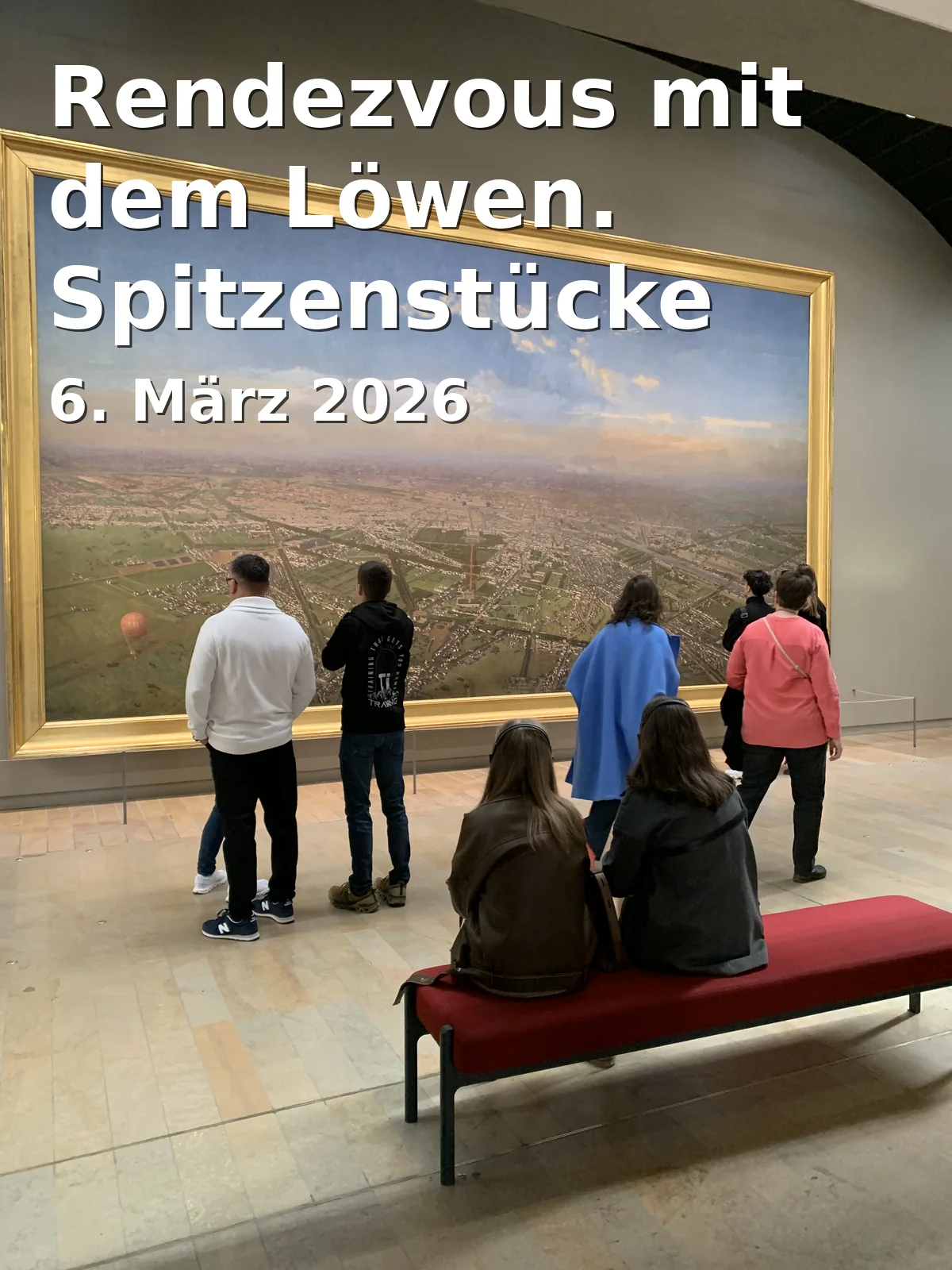
Rendezvous with the Lion. Top pieces from Burg Dankwarderode as guests
Experience Braunschweig's medieval treasures anew: The Burg lion, reliquaries, and precious textiles tell history at HAUM. #Braunschweig #MiddleAges
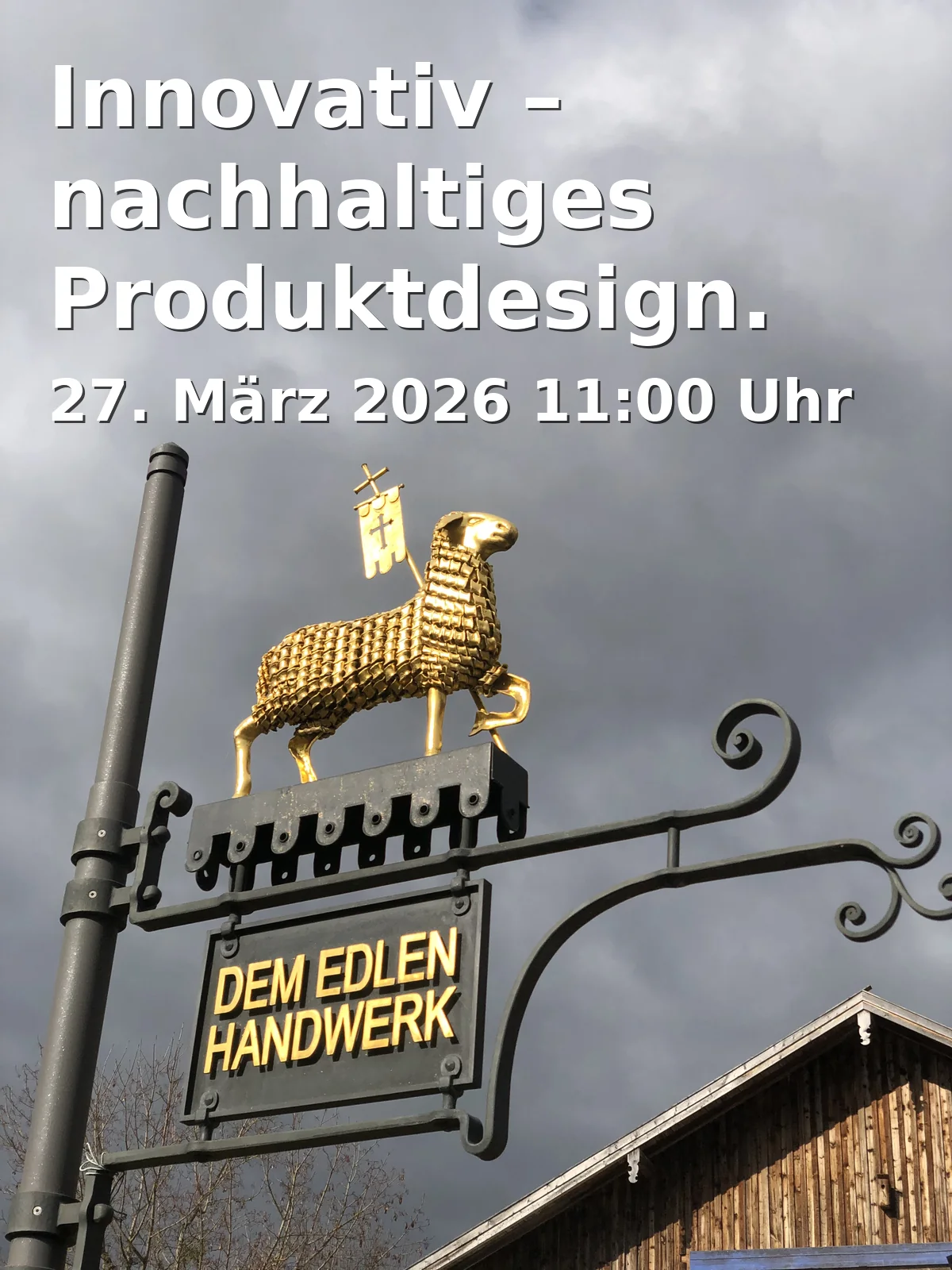
Innovative – Sustainable Product Design. Cabinet Exhibition at the Municipal Museum
Porcelain, upcycling, and clear forms: This cabinet exhibition at the Municipal Museum Braunschweig connects design, sustainability, and aesthetics. #Braunschweig #Design
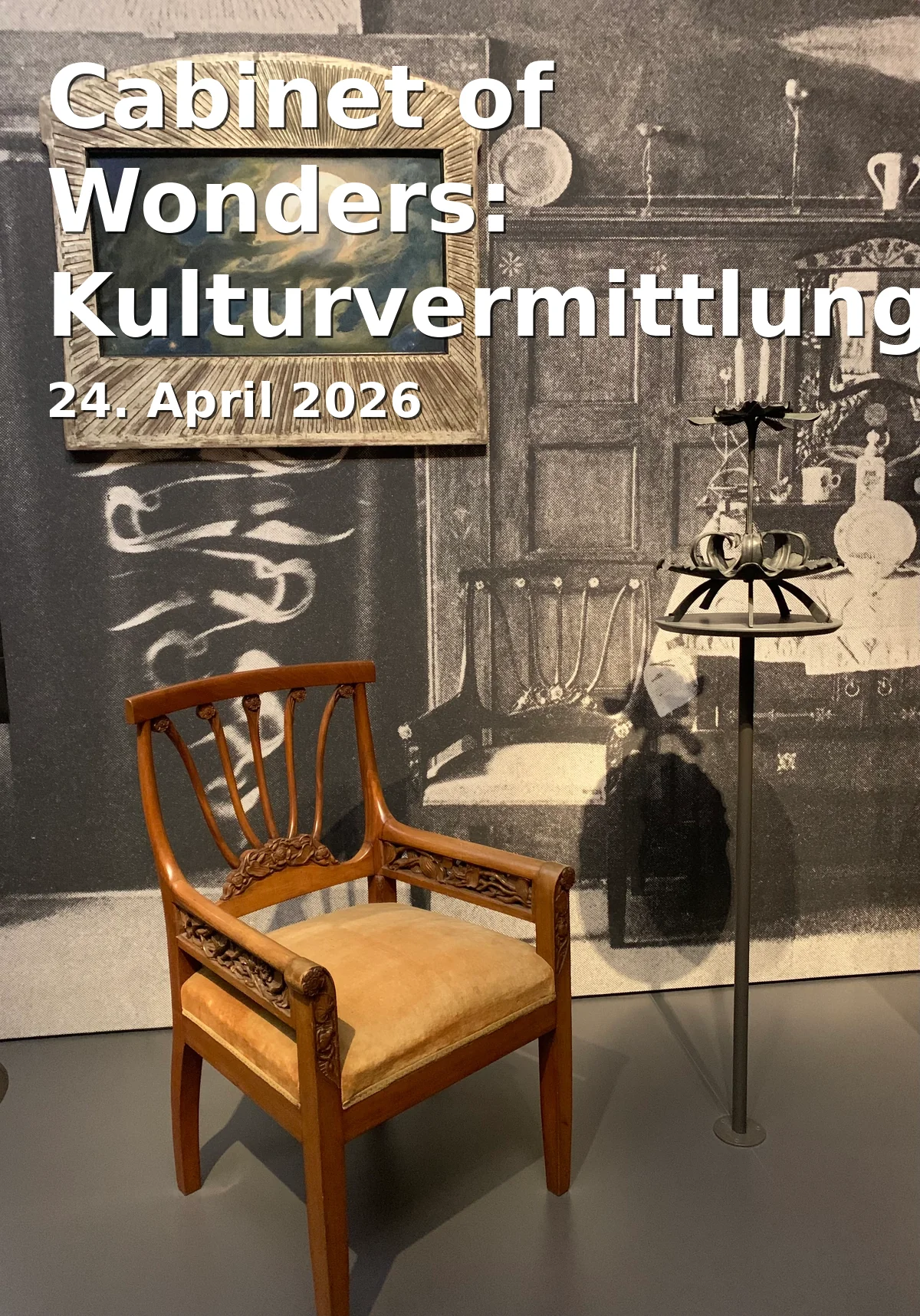
Cabinet of Wonders: Cultural Mediation 2.0 – Interactive Museum Tour with AI
Braunschweig presents new art mediation: Cabinet of Wonders connects museum, AI, and curiosity cabinet. 24.04.–04.10.2026, from 9 €. #Braunschweig #Art
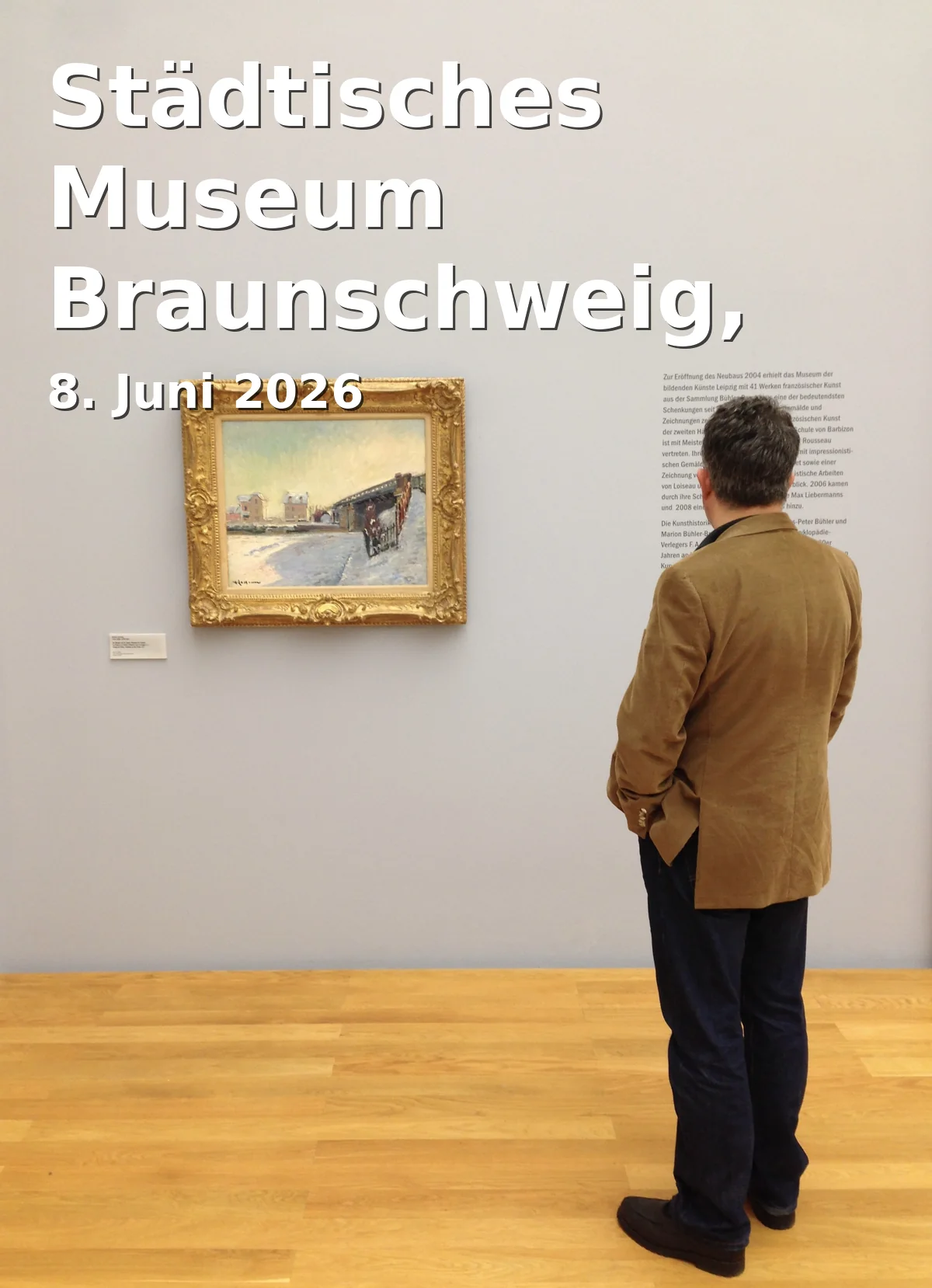
City Museum Braunschweig, House at Löwenwall - Permanent Exhibition
A quiet artistic experience full of history: The permanent exhibition at the House at Löwenwall connects Jugendstil, collections, and Braunschweig. Discover now. #Museum
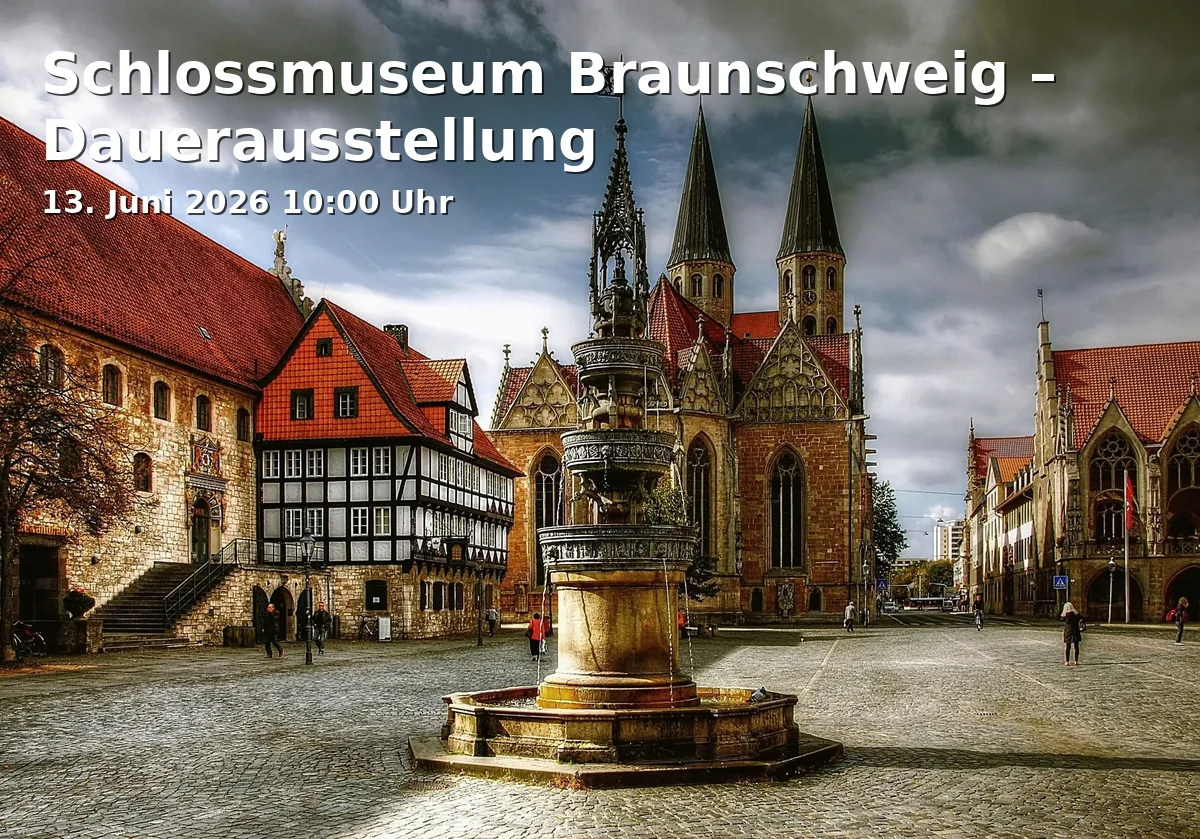
Schlossmuseum Braunschweig – Permanent Exhibition
A journey into courtly Braunschweig: The Schlossmuseum showcases portraits, furniture, and crafts in the residence castle. Tue-Sun 10-5. #Braunschweig #Museum
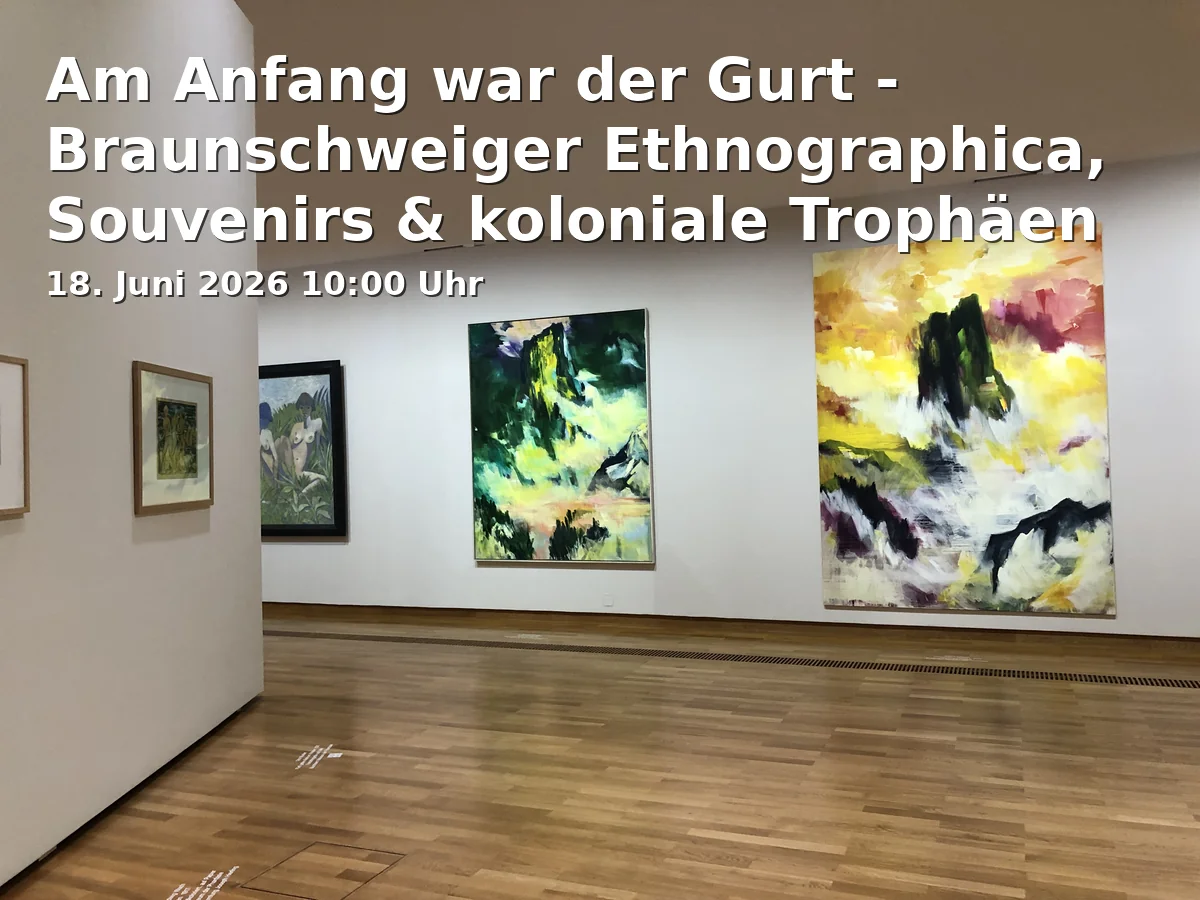
In the Beginning Was the Belt - Braunschweig Ethnographica, Souvenirs & Colonial Trophies
A powerful artistic experience about origins, colonial traces, and museum responsibility in Braunschweig. Free entry, from 18.6. to 30.12.2026. #Provenance
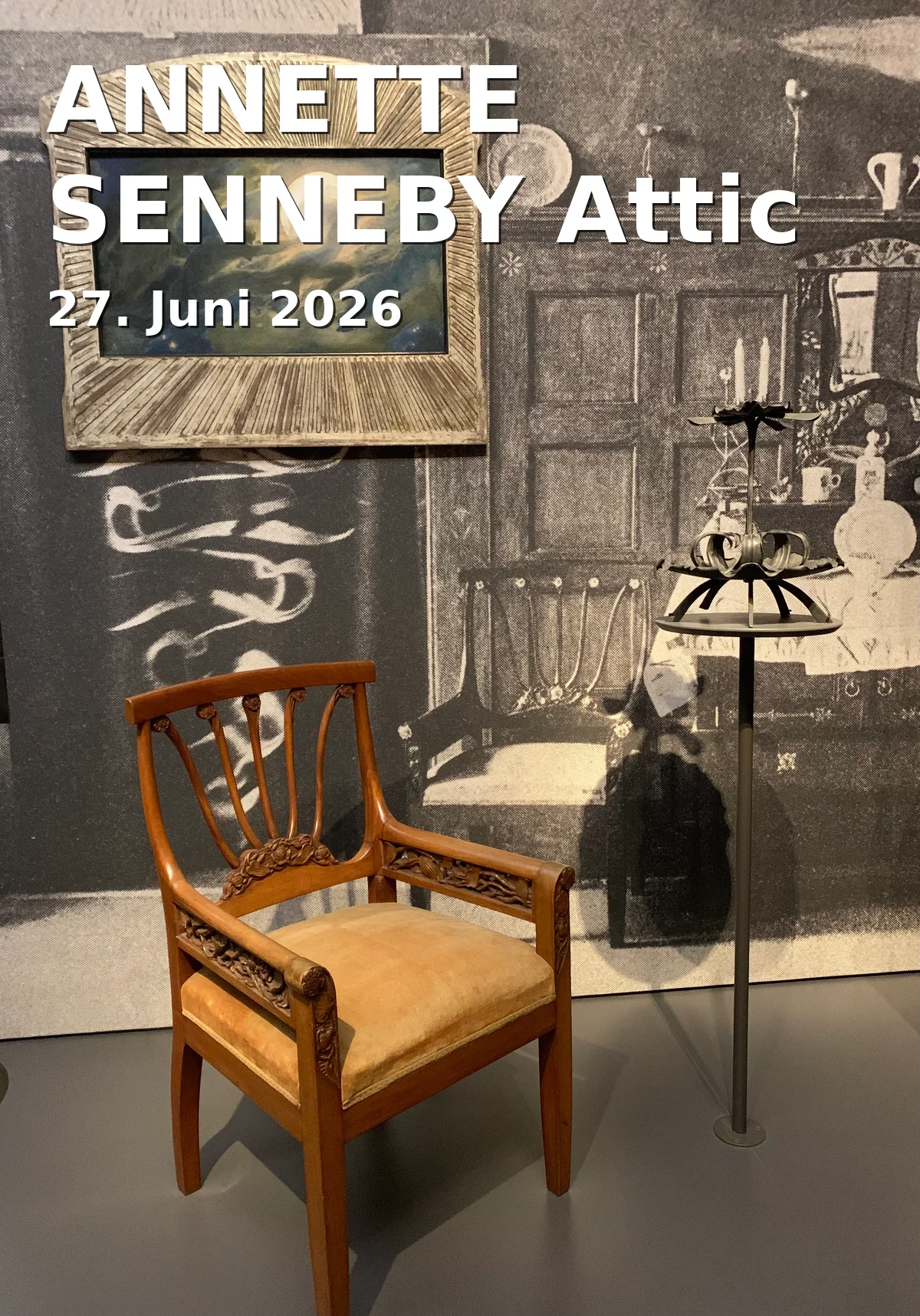
ANNETTE SENNEBY Attic
Annette Senneby transforms the Villa Salve Hospes into a quiet resonance space for painting and sculpture. 27.06.–27.09.2026, 5 Euros. #Braunschweig #Art
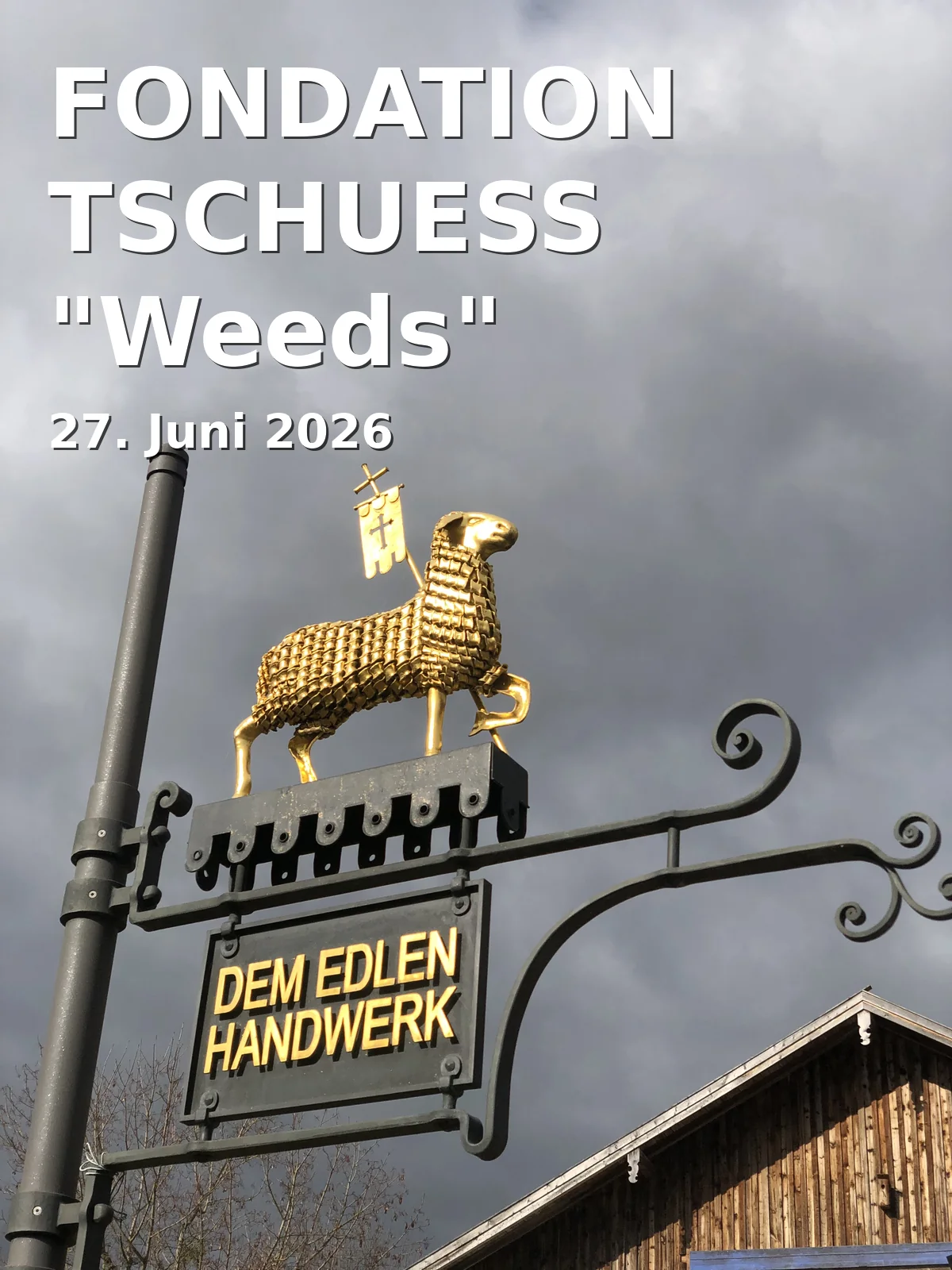
FONDATION TSCHUESS "Weeds"
A special art summer in Braunschweig: FONDATION TSCHUESS transforms the courtyard into a floral exhibition image. 27.06.–27.09.2026. #Braunschweig #Art
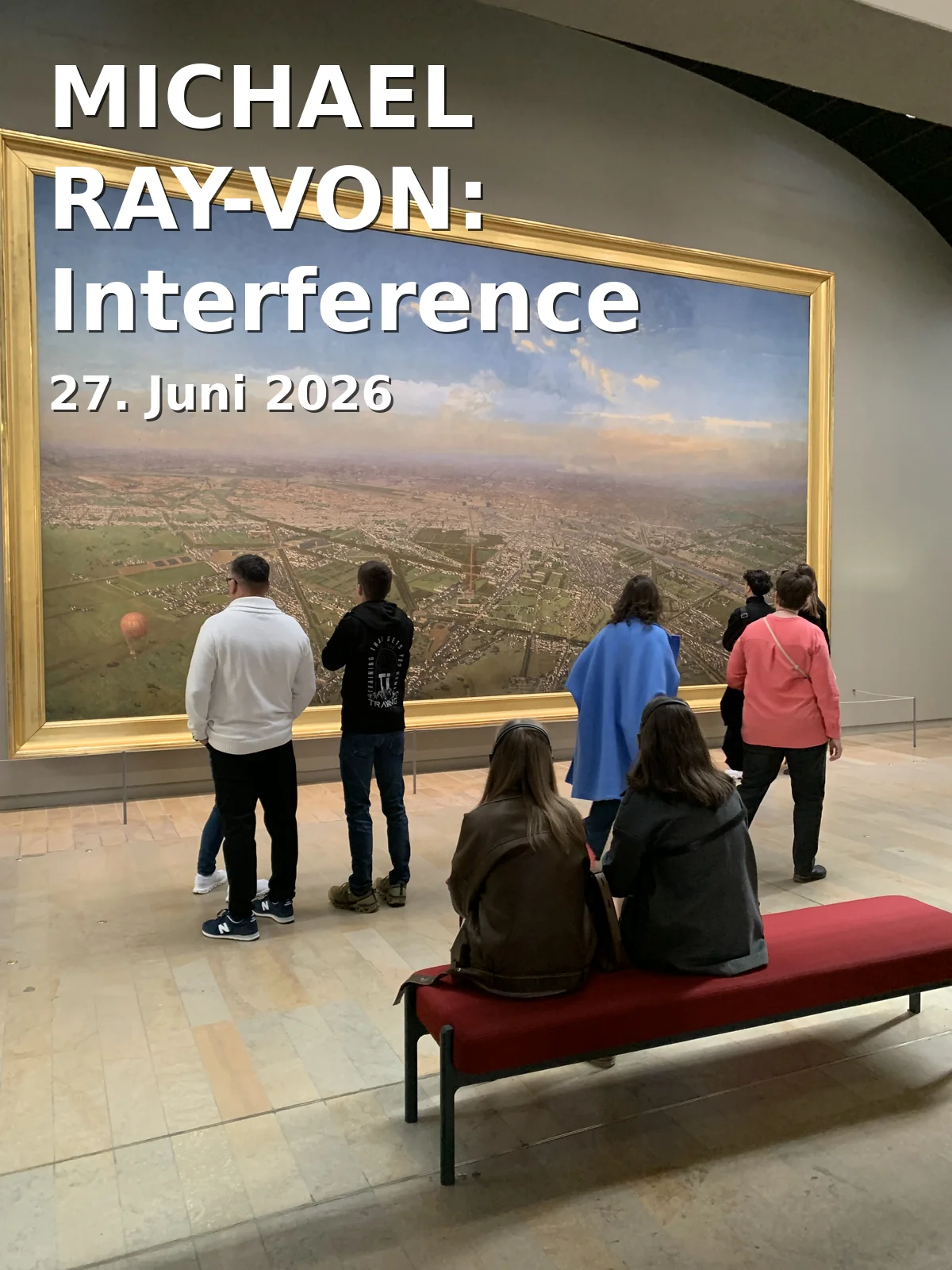
MICHAEL RAY-VON: Interference Pattern in Braunschweig
Michael Ray-Von transforms the Kunstverein Braunschweig into a play of light, mirrors, and perception. Interference Pattern runs from 27.06. to 27.09.2026. #Braunschweig #Art
Frequently Asked Questions
Reviews
No reviews found