
Karl Simrock
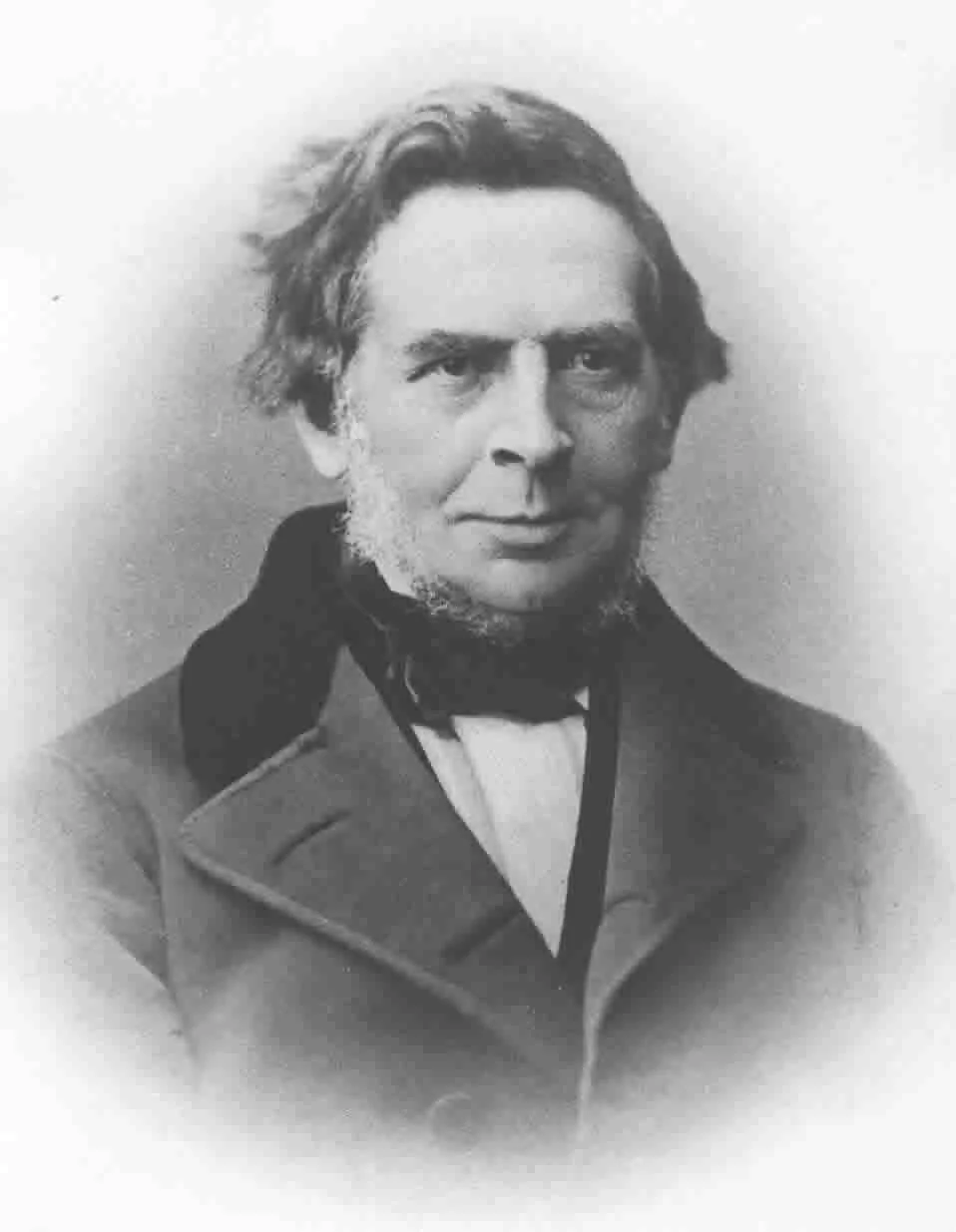
Image from Wikipedia
Image from Wikipedia
Karl Simrock: The Great Mediator of German Poetry
A poet, philologist, and cultural translator between the Middle Ages and modernity
Karl Joseph Simrock (1802–1876) is one of the defining German literary scholars of the 19th century. Born in Bonn and also dying there, he became known primarily for his translations of Middle High German poetry into Modern High German, most notably the Nibelungenlied and the lyrics of Walther von der Vogelweide. His work made early German literature accessible to a broad educated audience and significantly contributed to the growing interest in German legend, mythology, and medieval narrative art. ([britannica.com](https://www.britannica.com/biography/Karl-Joseph-Simrock?utm_source=openai))
Biography: Bonn Heritage, Legal Education, and Literary Calling
Simrock grew up in a culturally rich household: his father ran a music publishing business, and the family was closely connected to the Bonn music and educational scene. He studied law in Bonn and Berlin, attending lectures by notable scholars such as August Wilhelm von Schlegel and Karl Lachmann before entering the Prussian civil service. This legal career ended early when he was dismissed from duty in 1830 for a poem in favor of the July Revolution; after that, he devoted himself entirely to literature. ([britannica.com](https://www.britannica.com/biography/Karl-Joseph-Simrock?utm_source=openai))
This very break marked the true beginning of his literary career. Simrock returned to Bonn, deepened his studies in older German language and literature, and was appointed honorary professor at the University of Bonn in 1850. In retrospect, his career stands as a classic example of a scholarly existence in the 19th century: scientifically informed, poetically productive, and culturally impactful. ([britannica.com](https://www.britannica.com/biography/Karl-Joseph-Simrock?utm_source=openai))
The Breakthrough: Medieval Texts as New Reading for the 19th Century
Simrock's real breakthrough came with his modern-language translation of the Nibelungenlied in 1827. This version made one of the central works of German literary history accessible to a new readership and has been reprinted many times in later editions. His translations of Walther von der Vogelweide and other Middle High German authors also demonstrated that Simrock not only worked philologically but reformulated texts with a poetic sensibility. ([britannica.com](https://www.britannica.com/biography/Karl-Joseph-Simrock?utm_source=openai))
Among his other important works are translations of Hartmann von Aue, Wolfram von Eschenbach, and Gottfried von Straßburg, as well as the editing and expansion of the Heldenbuch. Additionally, he produced original works, including Wieland der Schmied and a poetry collection from 1844 that gathered lyrics, romances, and ballads. Simrock worked at the intersection of philology, poetic reconstruction, and popular mediation. ([en.wikipedia.org](https://en.wikipedia.org/wiki/Karl_Joseph_Simrock?utm_source=openai))
The Work: Volksbücher, Mythology, and Shakespeare Reception
His Deutschen Volksbücher became particularly influential, appearing in numerous parts between 1839 and 1867 and freshly presenting early New High German narrative traditions. Also of lasting importance is his Handbuch der deutschen Mythologie published from 1853 to 1855, which opened access to the German-speaking realms of legend and myth for generations of readers and researchers. Simrock did not merely collect here, but organized and interpreted; he created an awareness of the canon of the cultural heritage of the Middle Ages. ([en.wikipedia.org](https://en.wikipedia.org/wiki/Karl_Joseph_Simrock?utm_source=openai))
Simrock also left traces in his handling of Shakespeare. Early on, he made a name for himself with Quellen des Shakespeare in Novellen, Märchen und Sagen and later translated various poems and plays by the English author into German. These works demonstrate his special role as a literary mediator, transforming foreign and historical materials into a German educational ideal of the 19th century. ([en.wikipedia.org](https://en.wikipedia.org/wiki/Karl_Joseph_Simrock?utm_source=openai))
Musical Language of Literature: Style, Rhythm, and Cultural Impact
Although Simrock was not a musician in the strict sense, his background in a music publishing family is significant for his work. His language often has a sonorous quality, expressing itself in rhythmic cohesion, balladic form, and a distinct sense of performance and memorability. This was part of his popularity: his texts were readable, singable, narratable, thereby connecting to the bourgeois educational life of the 19th century. ([britannica.com](https://www.britannica.com/biography/Karl-Joseph-Simrock?utm_source=openai))
His importance extends far beyond literary studies. Simrock contributed to the integration of the Nibelungen theme, Nordic myths, and old folk traditions into the cultural memory. His works were considered standard reading for the educated youth and remained widespread even after 1945, underscoring the lasting impact of his editorial and narrative work. ([britannica.com](https://www.britannica.com/biography/Karl-Joseph-Simrock?utm_source=openai))
Reception: Recognition During His Lifetime and Lasting Influence
During his lifetime, Simrock received recognition for his contributions to German literary history. The academic world appreciated his philological rigor, while the literary public particularly noted his translations and retellings. His works were read both as scholarly and poetic; this dual role made him one of the most prominent figures in the aftermath of German Romanticism and the national philological culture of the 19th century. ([deutsche-biographie.de](https://www.deutsche-biographie.de/sfz80338.html?utm_source=openai))
His influence is also evident in the fact that later authors, editors, and cultural historians continually referred back to him. Simrock exemplifies an era in which literature was not only an art form but also a means of cultural self-affirmation. Those who read his works encounter not just a poet but an architect of German literary memory. ([en.wikipedia.org](https://en.wikipedia.org/wiki/Karl_Joseph_Simrock?utm_source=openai))
Current Projects and Publications in the Context of His Reception
For Karl Simrock himself, there are naturally no current musical projects, albums, or tours. His presence today lies in the enduring scholarly and editorial reception: digital biographies, literary historical databases, academic collections, and editorial projects keep his work circulating. Especially the repeated presence of his texts in research and contextualization shows that Simrock continues to be read as a reference author of German literature and myth history. ([deutsche-biographie.de](https://www.deutsche-biographie.de/sfz80338.html?utm_source=openai))
Discography? A Literary Workshop Instead of Music Releases
Karl Simrock does not possess a classical discography, as he was a writer, philologist, and translator, not a musician. For a cultural journalistic classification, however, his oeuvre can be read like a catalog of works: Nibelungenlied in modern language, Walther translations, Deutsche Volksbücher, Handbuch der deutschen Mythologie, Shakespeare works, and his own poems. These texts mark the most important stations of his publication history and form the foundation of his reputation. ([britannica.com](https://www.britannica.com/biography/Karl-Joseph-Simrock?utm_source=openai))
This very diversity makes Simrock fascinating: he was not a specialist in the narrow sense but a literary mediator with a broad horizon. His work united editing, translation, retelling, and scholarly systematization. In this complexity lies his authority to this day, as he not only opened up texts but also shaped access to an entire epoch of German literature. ([deutsche-biographie.de](https://www.deutsche-biographie.de/sfz80338.html?utm_source=openai))
Conclusion: Karl Simrock is one of the major key figures in German literary mediation. His career combines scholarship, poetic sensitivity, and cultural mission, and it is from this combination that his lasting fascination arises. Those wishing to understand how the Middle Ages were rediscovered in the 19th century cannot overlook Simrock. His texts still merit reading, and engagement with him leads to a deeper exploration of German cultural history. ([britannica.com](https://www.britannica.com/biography/Karl-Joseph-Simrock?utm_source=openai))
Official Channels of Karl Simrock:
- Instagram: No official profile found
- Facebook: No official profile found
- YouTube: No official profile found
- Spotify: No official profile found
- TikTok: No official profile found