
Tobias Uhlig
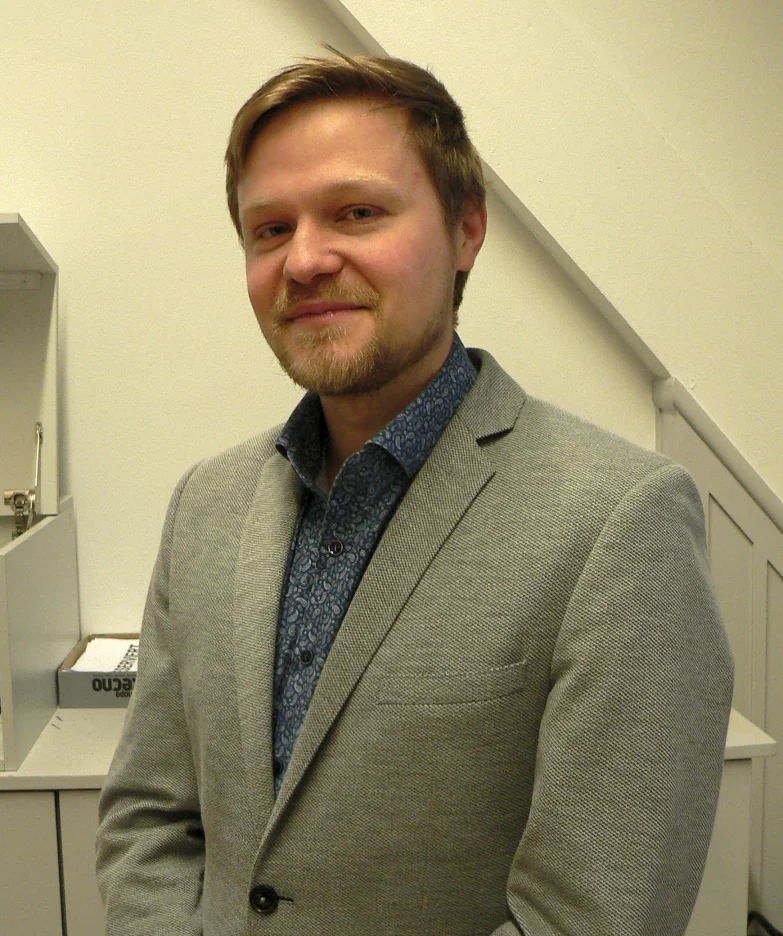
Image from Wikipedia
Image from Wikipedia
Tobias Uhlig: Archaeology with Depth, Research with Public Impact
A Young Prehistoric Archaeologist Between Science, Heritage Preservation, and Communication
Tobias Uhlig, born in 1992, is part of a generation of archaeologists who do not see scientific precision and public communication as opposites, but as a shared responsibility. The German prehistoric archaeologist is anchored in the Association of State Archaeologists and works in Lower Saxony at the intersection of research, archaeological heritage preservation, and regional historical culture. His profile represents an archaeology that not only documents excavations but also makes historical connections visible and translates them into the present.
His career early on shows a close connection to practical fieldwork. Even before and during his studies, Uhlig gained experience in archaeological projects and excavation techniques, significantly shaping his later career. Today, he combines academic training, scientific collaboration, and heritage preservation responsibilities into a robust professional profile that connects technical depth with regional relevance.
Biographical Milestones: From Practical Entry to Academic Career
After graduating from high school in 2011, Tobias Uhlig completed a Voluntary Cultural Year as an assistant to the excavation technician in the archaeological department of the Varusschlacht gGmbH in Kalkriese. This early entry into practice is central to his development, as it laid the foundation for a confident handling of excavations, documentation, and archaeological workflows. His early closeness to the field and to material findings continues to shape his professional approach today.
From 2012, he studied Prehistoric and Early History as well as History at the Georg-August-University Göttingen. His focus was not only on chronological questions but also on the embedding of archaeological finds in historical landscapes, settlement areas, and cultural developments. Uhlig consistently combined his studies with practical experience from excavations and student projects, creating a mutual reinforcement of theory and practice.
His academic and professional development led him from scientific collaboration in the DFG project on the Late Bronze Age at Heeseberg to heritage preservation in Lower Saxony. Since 2021, he has been a scientific intern at the Lower Saxony State Office for Heritage Preservation, later taking on the role of district archaeologist in Braunschweig. This position marks an important step: from project-related research to responsibility for a larger archaeological working area.
Research Focus: Bronze Age, Middle Ages, and the Language of Findings
Uhlig's professional interests focus on the Late Bronze Age in Northern Europe, the archaeology of the Middle Ages and Modern Era, as well as interdisciplinary methods. This breadth makes his work highly relevant: he considers sites not in isolation but as parts of larger histories of settlement, power, and usage. Thus, he follows an archaeological approach that understands landscapes not as backgrounds but as active historical spaces.
This profile becomes particularly visible in his collaboration on the project for landscape and resource use at Heeseberg in the northern Harz foothills. Here, questions of power, craft, and material culture in the Bronze Age are addressed, which are central themes of settlement archaeology and historical environmental research. Such projects demonstrate how significantly detailed archaeological work can contribute to the reconstruction of comprehensive societal models.
His work in the field of medieval and early modern archaeology also underscores this methodological breadth. In heritage preservation, it is not only about spectacular finds, but also about emergency excavations, construction monitoring, site examinations, and the protection of endangered findings. Tobias Uhlig operates precisely in this tension between scientific evaluation and practical protective work.
Professional Role in Lower Saxony: District Archaeology as a Public Task
As a district archaeologist in Braunschweig, Uhlig works in an area that is archaeologically highly relevant and also demanding in terms of heritage preservation. District archaeology oversees large parts of Lower Saxony, especially where no municipal archaeology is established. Its tasks include recording sites, reviewing construction plans, and conducting emergency excavations.
This work has high social significance because it protects archaeological substance from loss and preserves historical sources for future research. Uhlig's role is thus not only administrative but also culturally and politically relevant. He represents an archaeology that intervenes in construction processes, urban development, and regional memory culture while remaining scientifically comprehensible.
Moreover, there is close collaboration with museums, municipal archaeologies, and universities. Especially in a state like Lower Saxony, archaeological quality does not arise solely in the lab or at the excavation site but within the network among authorities, research institutions, and the public. Uhlig's activities reflect this structure and increasingly make his name prominent in the field.
Publications and Contributions: Scientific Visibility Through Documented Research
An important part of Uhlig's profile includes his contributions to professional contexts and publications. Various works and contributions are listed on the pages of the University of Göttingen, including topics on find slips, archival work, and archaeological findings from different periods. Such contributions may appear unremarkable at first glance but are of great value for professional practice as they organize material, safeguard contexts, and make research interconnected.
The publication list also shows that Uhlig not only works in the field but also prepares archaeological results in writing. This very ability distinguishes pure excavation practice from scientific archaeology. Those who not only discover finds but also evaluate, compare, and translate them into larger narratives shape the discipline sustainably.
His contributions to Lower Saxony archaeology also position him within a professional environment that regularly documents results from excavations, emergency recoveries, and research projects. This visibility shows how deeply his career is embedded in the institutional and publishable infrastructure of archaeology. He does not operate on the fringe but is at the center of a vibrant state archaeology.
Professional Classification: Between Heritage Preservation, Research, and Communication
Tobias Uhlig's particular strength lies in the connection between practical experience and scientific specialization. His career does not begin in an ivory tower but in the excavation field, in documentation, and in concrete handling of archaeological material. This experience creates credibility and lends his work a tangible closeness to the findings.
At the same time, his profile displays a high level of expertise in the central fields of prehistoric archaeology. Bronze Age settlement and resource usage, medieval and modern find contexts, interdisciplinary methods, and communication to a broader public form a clearly outlined area of competence. From this emerges a professional profile that is relevant both within the field and publicly accessible.
His work is therefore to be understood not only in technical or administrative terms. It contributes to the safeguarding of cultural heritage, lays foundations for research, and strengthens the perception of archaeology as a societal task. This is precisely where the long-term significance of his work lies.
Cultural Influence: Archaeology as a Narrative of the Region
Archaeologists like Tobias Uhlig often shape cultural identity more quietly than writers, musicians, or politicians, but their impact runs deep. They make visible how regions have evolved historically, how settlements arose, how landscapes were used, and what traces of past societies remain today. This work influences museum work, heritage preservation, and regional historical images alike.
In Lower Saxony, where many sites are threatened due to modern infrastructure and construction projects, this role carries special weight. District archaeology here means not only protection but also translation: findings are explained, placed in context, and history becomes comprehensible where it was hidden in the ground. This is exactly where the cultural added value of Uhlig's work lies.
His profile thus exemplifies a contemporary archaeology that combines scientific accuracy with public responsibility. This makes him an interesting voice within a discipline that operates as a researcher, preservator, and communicator all at once.
Conclusion: An Archaeologist with Substance, Precision, and Regional Responsibility
Tobias Uhlig is fascinating because he does not treat archaeology as a niche topic but as a fundamental cultural task. His career illustrates how a clear professional profile emerges from practical excavation experience, university training, and institutional responsibility. He represents an archaeology that does not romanticize the past but methodologically explores and translates it into the present.
Those interested in prehistoric research, state archaeology, and the work behind the scenes of cultural heritage will find in his career a poignant example of modern professional practice. It is precisely the connection of science, heritage preservation, and communication that makes his work notable. Archaeology gains strength when people like Tobias Uhlig live it with precision, perseverance, and public awareness.
Official Channels of Tobias Uhlig:
- Instagram: no official profile found
- Facebook: no official profile found
- YouTube: no official profile found
- Spotify: no official profile found
- TikTok: no official profile found
Sources:
- Wikipedia: Tobias Uhlig
- Association of State Archaeologists – Member States
- Georg-August-University Göttingen – T. Uhlig Profile
- Georg-August-University Göttingen – T. Uhlig CV
- Georg-August-University Göttingen – Publications by T. Uhlig
- Association of State Archaeologists – Lower Saxony
- Lower Saxony State Office for Heritage Preservation – Regional Office Braunschweig
- Archaeological Commission for Lower Saxony – Tobias Uhlig as a scientific intern
- Archaeological Commission for Lower Saxony – Tobias Uhlig is the new district archaeologist in Braunschweig
Upcoming Events
Exhibit of the Month: The Traces of the Lion – a New Perspective on Braunschweig's City Archaeology
Braunschweig's past beneath the pavement: City archaeology comes alive in the Old Town Hall. Lecture, historical city model, and free entry. #Braunschweig
Exhibit of the Month September: The Traces of the Lion
Braunschweig looks back at its city history: In the Old Town Hall, the historical city model becomes the key to the lion traces. 27.09.2026, 3 PM, free admission. #Braunschweig