
Jules Massenet
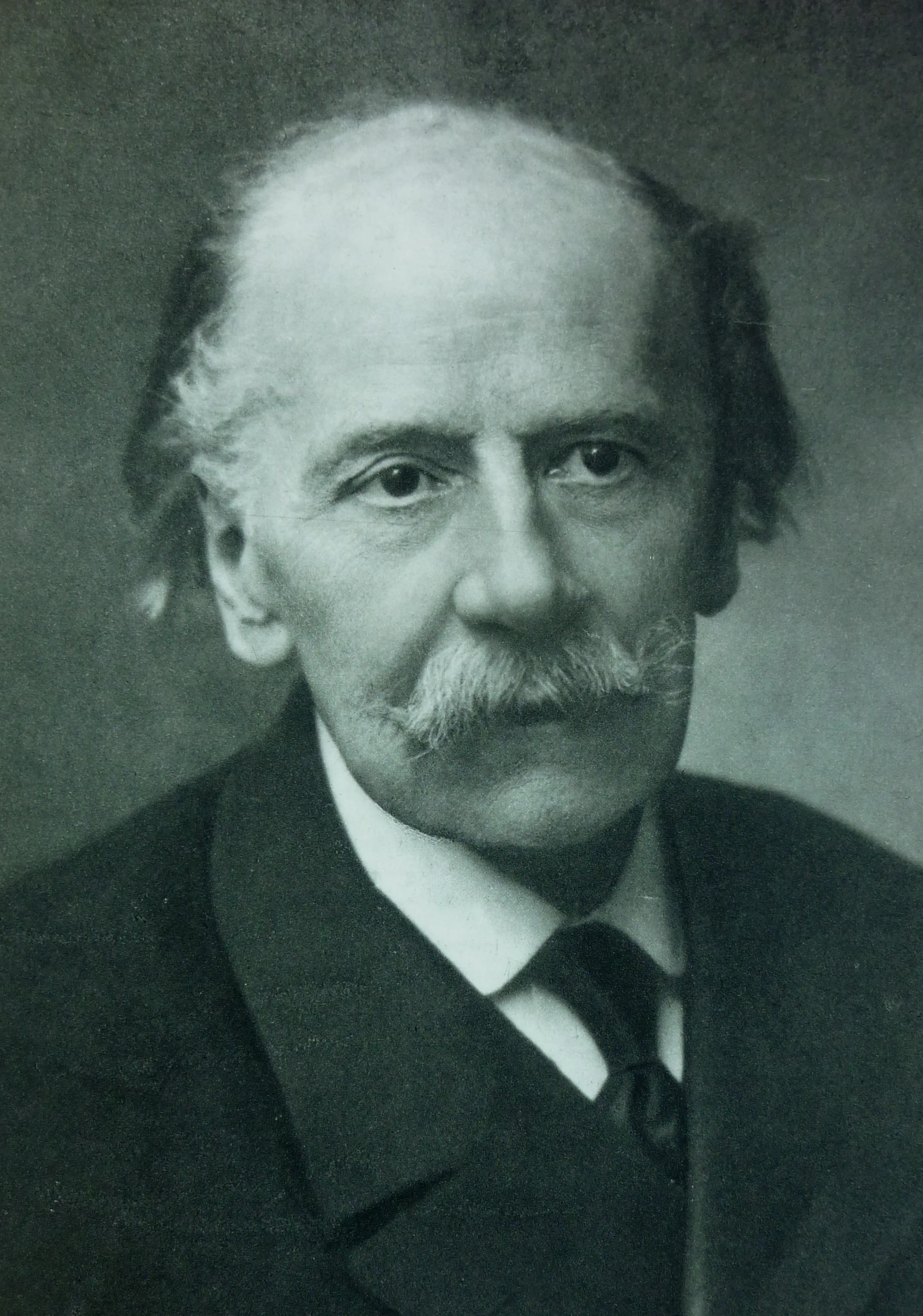
Image from Wikipedia
Image from Wikipedia
Jules Massenet: The Elegant Architect of French Opera
A Composer Between Lyrical Seduction, Stage Magic, and Great Opera Culture
Jules Émile Frédéric Massenet is considered one of the defining opera composers of the late 19th century and represents a unique form of French late Romanticism, where melody, color, and dramatic psychology merge into a distinctive musical language. Born on May 12, 1842, in Montaud near Saint-Étienne and died on August 13, 1912, in Paris, he evolved from a gifted conservatory student to one of the most performed opera composers of his time. His career blended academic training, romantic expressiveness, and an exceptional sense of stagecraft. ([de.wikipedia.org](https://de.wikipedia.org/wiki/Jules_Massenet?utm_source=openai))
Early Years: Musical Influences and First Ascents
Massenet's musical career began in an environment that was both practical and artistic. His mother gave him his first piano lessons, paving the way for a music career that led him to the Paris Conservatoire as a child. There, from 1861 he studied composition under Ambroise Thomas and was awarded the Prix de Rome in 1863; this success opened the doors to the Villa Medici in Rome and thus to a European network of artists and patrons. ([operadeparis.fr](https://www.operadeparis.fr/artistes/jules-massenet?utm_source=openai))
The years in Rome not only strengthened his craft but also sharpened his sense of musical dramaturgy. Contemporary and later sources emphasize that Massenet early on displayed melodic finesse, subtle harmonies, and a preference for lyrical intensifications. This profile made him a composer whose works seamlessly bridge intimate emotional spaces and the grand opera stage. ([deutschegrammophon.com](https://www.deutschegrammophon.com/de/komponist-innen/jules-massenet/biografie?utm_source=openai))
The Breakthrough: From Early Operas to the Triumph of Manon
His career gained momentum following early successes with works such as Don César de Bazan and the oratorio Marie-Magdeleine. The opera world recognized Massenet as a composer who relied not on effects but on psychological precision, vocal elegance, and a fine sensitivity to language and scene. With Manon, he achieved a decisive breakthrough in 1884: The work established him permanently in the international repertoire and became a symbol of French operatic art characterized by charm, tragedy, and societal observation. ([operadeparis.fr](https://www.operadeparis.fr/artistes/jules-massenet?utm_source=openai))
Similarly, Werther solidified his status as a master of musical expression. The opera premiered in German in 1892 and soon after had its French version; it is still considered one of his most emotionally dense works. Massenet combined intimate soul drama with a highly controlled orchestral style that not only accompanied the characters' internal conflicts but psychologically intensified them. ([sfopera.com](https://www.sfopera.com/contentassets/dd47aa6c14dc419ab8dac5c16cd603ee/massenet-operas-and-revisions.pdf?utm_source=openai))
A Style of Melody: Tone Colors, Orchestra, and Dramatic Intimacy
Massenet's musical development is hardly understandable without his mastery of melody. Deutsche Grammophon describes him as a composer whose sensitivity to melodic finesse and harmonic turns won over both audiences and critics; similar assessments can be found in opera and music lexicons that characterize his works as elegant, sensual, and immediately accessible. His operas thrive on singable lines, smooth transitions, and orchestration that shapes rather than overwhelms emotions. ([deutschegrammophon.com](https://www.deutschegrammophon.com/de/komponist-innen/jules-massenet/biografie?utm_source=openai))
Particularly striking is his ability to use individual instrumental colors as a dramatic tool. In Thaïs, the "Méditation" for violin and orchestra became one of the most popular concert pieces in his entire oeuvre; the Staatsoper Berlin explicitly points out that this intermezzo gained fame beyond the opera stage as a standalone repertoire piece. Such moments demonstrate how Massenet conceived opera not as a rigid sequence of numbers but as a flowing connection of song, orchestra, and theatrical emotion. ([staatsoper.de](https://www.staatsoper.de/en/biographies/massenet-jules?utm_source=openai))
Discography and Catalog of Works: Operas, Oratorios, and Orchestral Works
As a composer, Massenet left behind an extraordinarily extensive body of work, which various catalogs indicate includes more than thirty operas. Some of his most important stage works include Hérodiade, Manon, Le Cid, Esclarmonde, Le mage, Werther, Thaïs, Sapho, Cendrillon, Grisélidis, and Le Jongleur de Notre Dame. This discography is supplemented by oratorios, cantatas, songs, orchestral suites, and further concert pieces, attesting to his versatility as an opera and music theater composer. ([en.wikisource.org](https://en.wikisource.org/wiki/1911_Encyclop%C3%A6dia_Britannica/Massenet%2C_Jules_%C3%89mile_Fr%C3%A9d%C3%A9ric?utm_source=openai))
Outside of opera, Massenet was also productive. The earlier Britannica account and modern music lexicons mention a number of oratorios and vocal works, including Marie-Magdeleine, Eve, La Vierge, and La terre promise. Added to this are orchestral pieces such as the various Scènes cycles, which document his compositional breadth and illustrate that his work extends far beyond individual hit arias. ([en.wikisource.org](https://en.wikisource.org/wiki/1911_Encyclop%C3%A6dia_Britannica/Massenet%2C_Jules_%C3%89mile_Fr%C3%A9d%C3%A9ric?utm_source=openai))
Career as a Teacher and Cultural Authority
In 1878, Massenet became a professor of composition at the Paris Conservatoire, a position that further solidified his authority within the French music world. His students included later heavyweights such as Gustave Charpentier, Reynaldo Hahn, Charles Koechlin, Henri Rabaud, Ernest Chausson, and Georges Enesco, making his influence on the next generation of French composers directly tangible. His pedagogical role not only enhanced his reputation but also shaped the development of French opera well beyond his own era. ([upload.wikimedia.org](https://upload.wikimedia.org/wikipedia/commons/f/f1/The_American_history_and_encyclopedia_of_music_%28IA_cu31924022388544%29.pdf?utm_source=openai))
Massenet’s cultural authority is also based on his position within the Paris opera culture of the Belle Époque. Spotify describes him as a leading opera composer of that era, whose works the public followed expectantly; at the same time, the platform emphasizes his ability to musically capture the intimacy of human relationships. This perspective explains why Massenet is still regarded as a composer of emotional detail and elegant dramatic intensification. ([open.spotify.com](https://open.spotify.com/artist/1AoIc5YFH0aSFc4mKqBEeB?utm_source=openai))
Reception, Criticism, and Lasting Influence
During his lifetime, Massenet was enormously successful, even though later generations occasionally turned their attention more towards Debussy or Ravel. However, the available sources clearly show that his operas have had a lasting impact on the French stage and are now experiencing a noticeable renaissance; even renowned opera houses point out that works like Werther, Manon, and Thaïs are regularly featured on international schedules again. Massenet remains not only a historical name but a vibrant part of the opera repertoire. ([de.wikipedia.org](https://de.wikipedia.org/wiki/Jules_Massenet?utm_source=openai))
His influence is also reflected in how contemporary interpreters handle his music. The enduring presence of the Méditation, the rediscovery of lesser-known operas, and the strong positioning of Manon and Werther demonstrate that Massenet is recognized as an author of musical finesse and emotional directness. His art lies in the balance between popularity and aspiration, between operatic tradition and individual signature. ([staatsoper.de](https://www.staatsoper.de/en/biographies/massenet-jules?utm_source=openai))
Current Projects and Releases
As Jules Massenet passed away in 1912, there are no current artistic projects, albums, or tours in the modern sense. However, his works continue to appear in new recordings, stage productions, and concert programs, evidence of his enduring presence in the music scene. In the present, his career lives on through interpretations, editions, and rediscoveries, not through new original releases. ([en.wikipedia.org](https://en.wikipedia.org/wiki/Jules_Massenet?utm_source=openai))
Conclusion: Why Jules Massenet Continues to Fascinate
Jules Massenet is intriguing because he has shaped French opera with unmistakable elegance, dramatic finesse, and melodic brilliance. His music career combines academic excellence, stage success, and pedagogical authority into a portrait of exceptional contour. Those who experience Massenet live encounter an operatic world where passion, psychology, and orchestral color art stand in rare and beautiful balance. ([deutschegrammophon.com](https://www.deutschegrammophon.com/de/komponist-innen/jules-massenet/biografie?utm_source=openai))
Official Channels of Jules Massenet:
- Instagram: No official profile found
- Facebook: No official profile found
- YouTube: No official profile found
- Spotify: No official profile found
- TikTok: No official profile found